
Latest News

Priority One is currently undertaking a programme of work that seeks to ultimately develop a regional energy strategy to drive our economic transition over the next 30 years. We want to grow awareness of the issues and help businesses tackle the challenges through collaboration. We launched the business-led Energy Leadership Group (ELG) in November 2025, which brings together business leaders and energy experts. We get a progress update about the group’s work from ELG Chair, Mike Pond, Principal – Industrial at Beca.
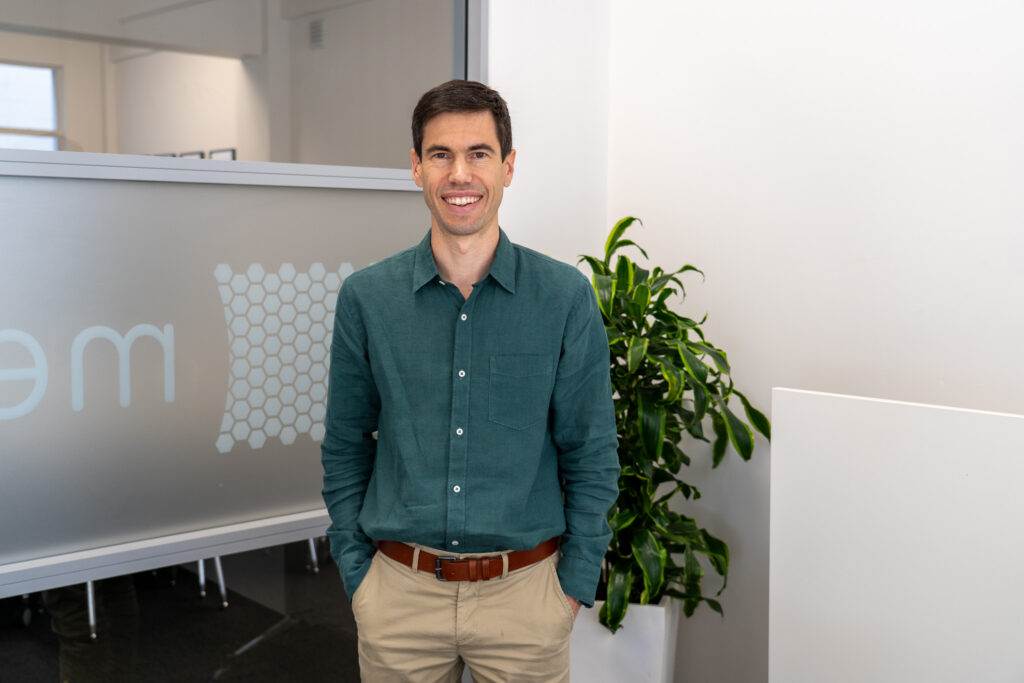
Why is the ELG important for the Western Bay of Plenty’s energy future?
The importance of energy is becoming increasingly apparent given the current challenges. It impacts all industries – if you look at it through a narrow lens, for example fuels or electricity, you miss the interrelated topics, organisations and businesses that are connected to, or affected by, energy. The ELG is cross-sector, which gives us a broader view of energy and its impact in our region, and helps us connect dots that may not currently be connected.
When we look at the level of investment required in infrastructure, the numbers are significant, and there’s also the need to meet climate and resilience goals. Some of this needs to move quickly, so we need to be efficient and aligned. Bringing industries together helps ensure the right things happen at the right time in our region, while also giving us a collective voice to advocate to central government when support is needed.
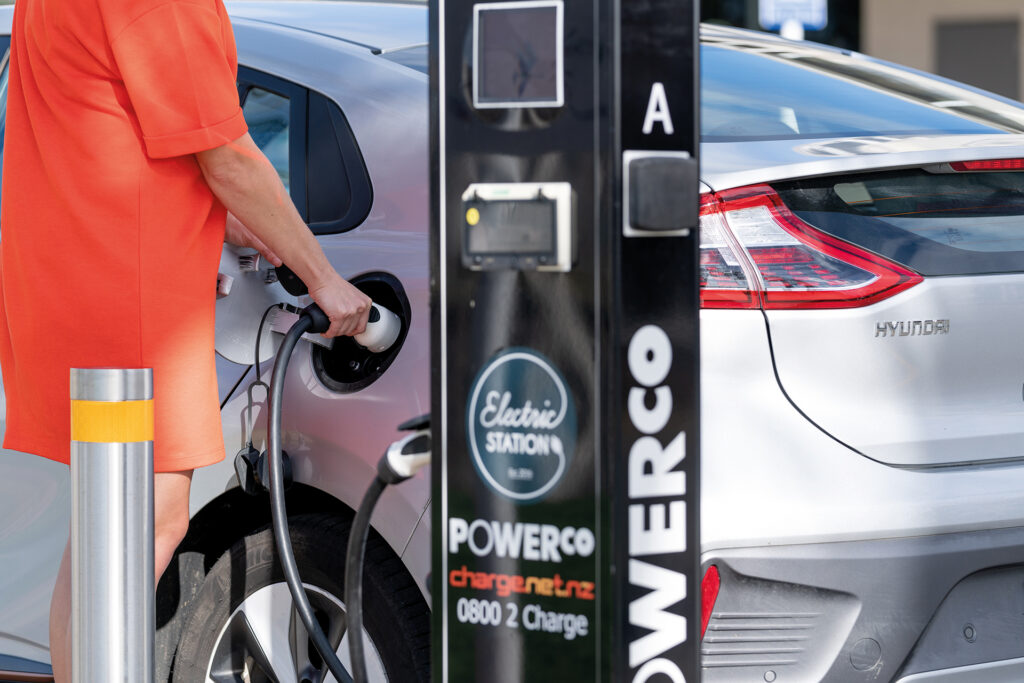
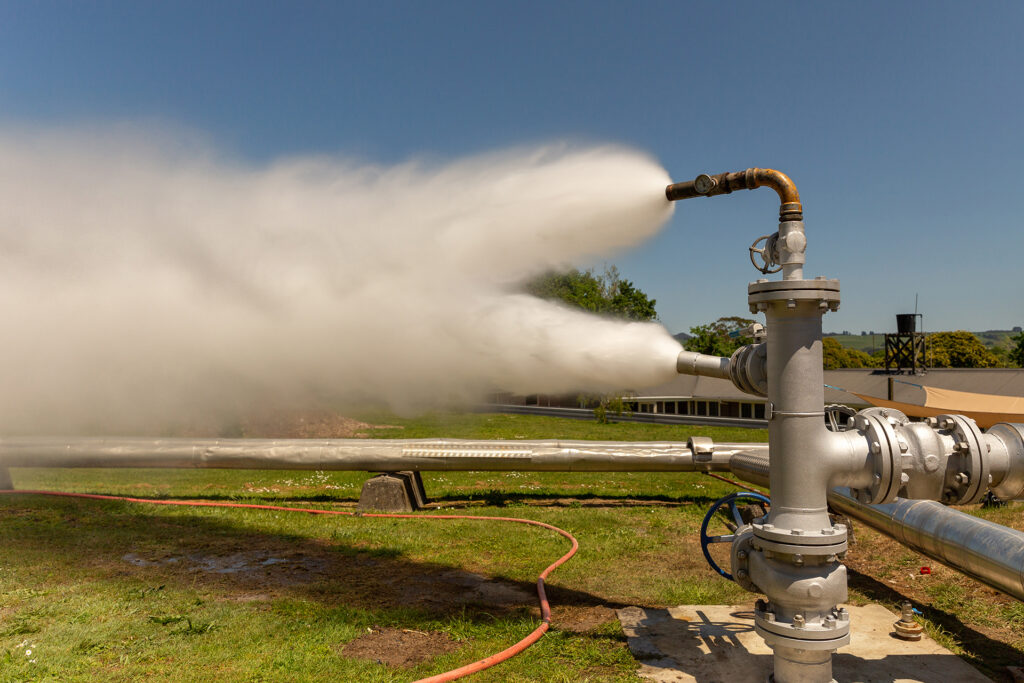
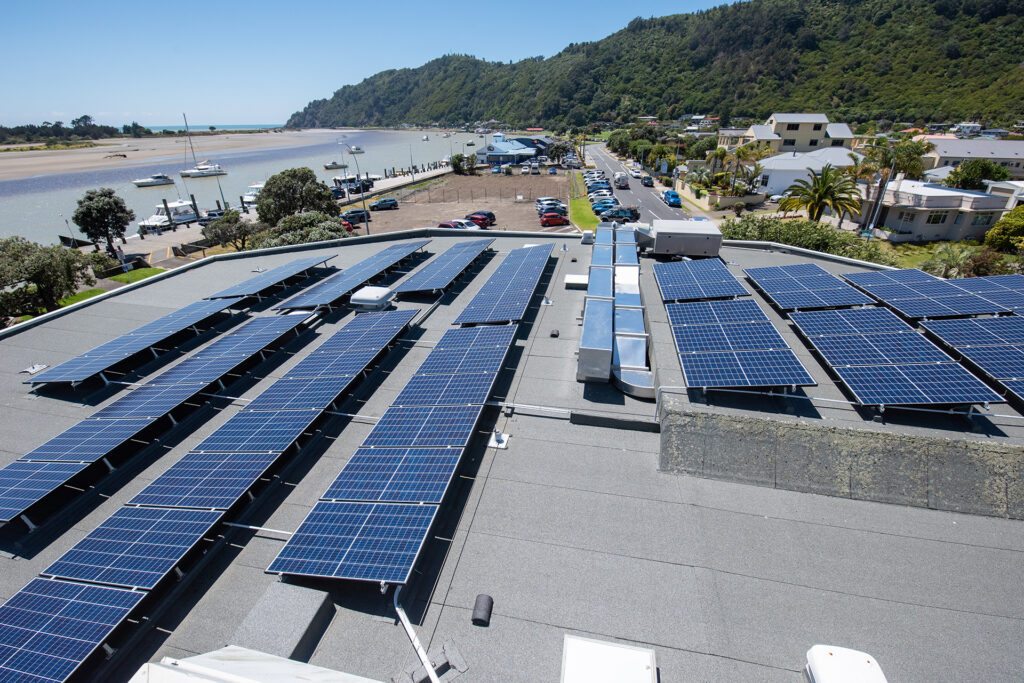
The Bay of Plenty business community is already well connected and collaborative. We want to build on that by connecting organisations that wouldn’t normally engage on energy topics, while also developing strategies and focusing on outcomes – positioning the Bay of Plenty to make the most of its strengths.
What stood out to you at the first ELG meeting where members shared their motivation in being a part of the group?
We had a strong response from people wanting to be involved – there was a clear sense that this is meaningful work, both professionally and personally. Many spoke about the impact on their organisations, but also their personal connection, seeing this as work that could leave a positive legacy for their families and communities.
The group participated in a Strategic Doing workshop – how did it shape your approach and help you land on your priorities.
We looked at the ‘assets’ each person brought – whether that was skills, resources, information or access to facilities – and used that as a starting point. From there, we asked what we could do now with what’s already in the room, rather than focusing too far into the future. That led to a list of initiatives we could act on straightaway. It’s a very action-focused approach, with clear next steps and defined contributions from members.
Scenario modelling was identified as the first priority for the ELG – why is this work so critical for the region?
We identified six initiatives and prioritised them based on impact and ease of implementation, with scenario modelling coming out on top. One of the key assets we are leveraging here is a connection to the University of Waikato – a group member Martin Atkins is a professor in the engineering school and has a student undertaking a final-year research project that can assist us.
The challenge with modelling is not just the technical work but the validity of the assumptions behind it. Those assumptions can be subjective, but with the breadth of experience in the group, we can provide strong guidance and ensure they are well grounded.
This modelling work is important because we have been asking some bold questions – for example, what if the Bay of Plenty shifted from being an energy importer to an exporter? Modelling allows us to test how realistic that is. It also helps us explore pathways – for example, what a transition away from fossil fuels by 2050 could look like, and what the most cost-effective approach might be.
What opportunities does this modelling data unlock for businesses in the region?
Providing cost-effective, resilient and sustainable energy options locally will support business performance and benefit the wider region. There are considerations around the cost of doing business, as well as the brand and reputation aspect, and the need for resilience.
Recent events have highlighted vulnerabilities – from Cyclone Gabrielle to global supply chain disruptions. Our region relies on a limited number of grid connection points, which creates exposure. There is no single solution; energy needs to be diversified. Local generation and national grid connections both play a role in resilience.
From our research, we also know that there’s a lot of uncertainty around energy, which makes it difficult for businesses to plan ahead. This data is an opportunity to bring some certainty so we can make progress.
The group is also exploring a Regional Energy Transition Group – what is the vision behind this?
This was identified as the group’s next priority. The aim is to create a group where people working in the energy transition space can connect. It’s about understanding who is doing what, learning from each other, and collaborating rather than duplicating effort. We are currently in the early stages of shaping this. We want this group to be as broad as possible so it will be open to people across the region.
The ELG will soon take part in a workshop with Transpower, where it will share insights from its national scenario work – how will this connect with regional priorities?
Transpower have developed different economic scenarios through its Te Kanapu Future Grid Blueprint that show how demand could evolve and how the grid might respond. While their work focuses on the implications on electricity transmission, and the ELG is looking at energy more broadly, we want to assess how relevant those scenarios are locally, what they might mean across all energy types, and how they could inform our own thinking. It’s about building on existing work rather than duplicating it.
How can our local businesses start preparing now for their energy transition?
My advice is: don’t wait – understand your options early. Changing your energy mix takes time and careful planning so you don’t want to be caught needing to make these change urgently. Attend energy events to learn more, connect with peers and engage with professionals in this space.
There’s expertise available, as well as potential funding support through government initiatives.
While there are challenges right now, there are also opportunities. Businesses exploring alternative energy sources can benefit, particularly as global supply constraints drive demand and pricing. There is also a broader opportunity to position the region as a stable, secure and reliable place to do business.
In the long term, businesses will be in a stronger position if they think about resilience and how they position themselves around themes like security of supply and reliability. Priority One’s next energy event on 30 April is about geothermal possibilities in the Bay of Plenty. More details to come soon.