
Latest News

Tauriko has become one of New Zealand’s leading industrial growth areas. It highlights the kind of long-term planning and infrastructure coordination at the heart of the Western Bay of Plenty Regional Deal.
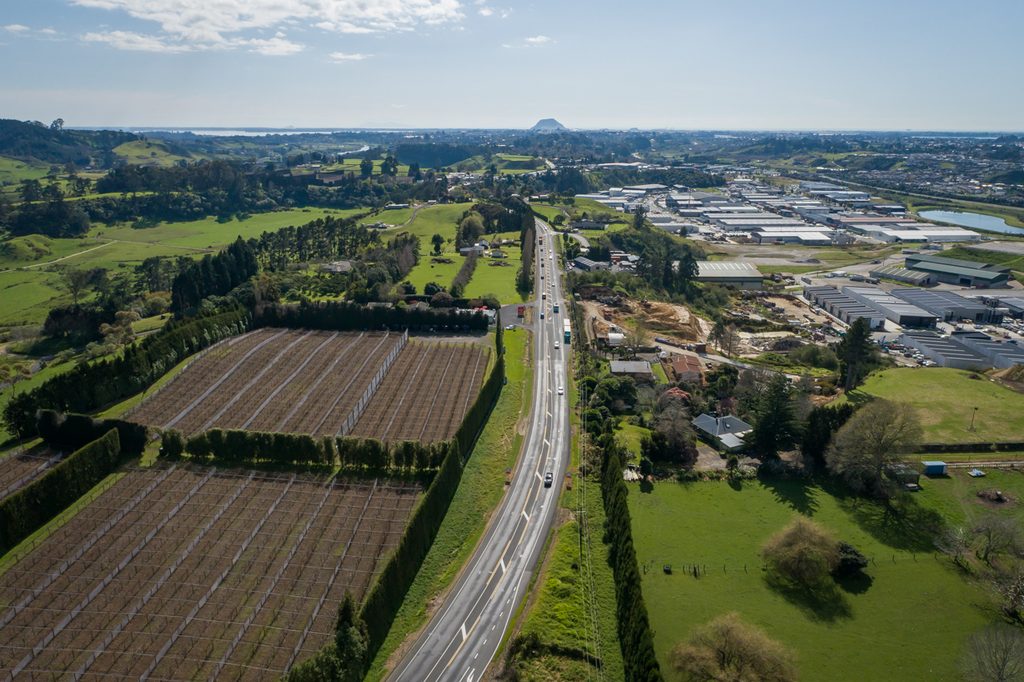
At its core, the Western Bay of Plenty Regional Deal is about ensuring our region has the infrastructure needed to support the growth that’s already on its way.
That’s why NZTA’s recent lodgement of statutory approval applications for the Tauriko West – Tupenga project is such an important milestone. While construction funding is still to be secured, the move helps protect the future transport corridor and ensures growth doesn’t compromise a critical connection between the Port of Tauranga, Waikato and the wider upper North Island.
That matters enormously for Tauriko West and the wider western corridor. It’s not just about building a better road. It’s about making it easier for people to live, work and do business here, while giving the region room to keep growing.
The wider Tauriko area sits at the intersection of many of the region’s priorities: housing growth, industrial development, freight efficiency and transport investment. As a result, it’s also one of the places where the success of the Regional Deal will be most visible.
Tauriko’s economic transformation over the past two decades is already evident. What was once largely rural land has become one of New Zealand’s most successful industrial growth stories, home to major businesses including Brother International, Winstone Wallboards and Yamaha Agriculture.
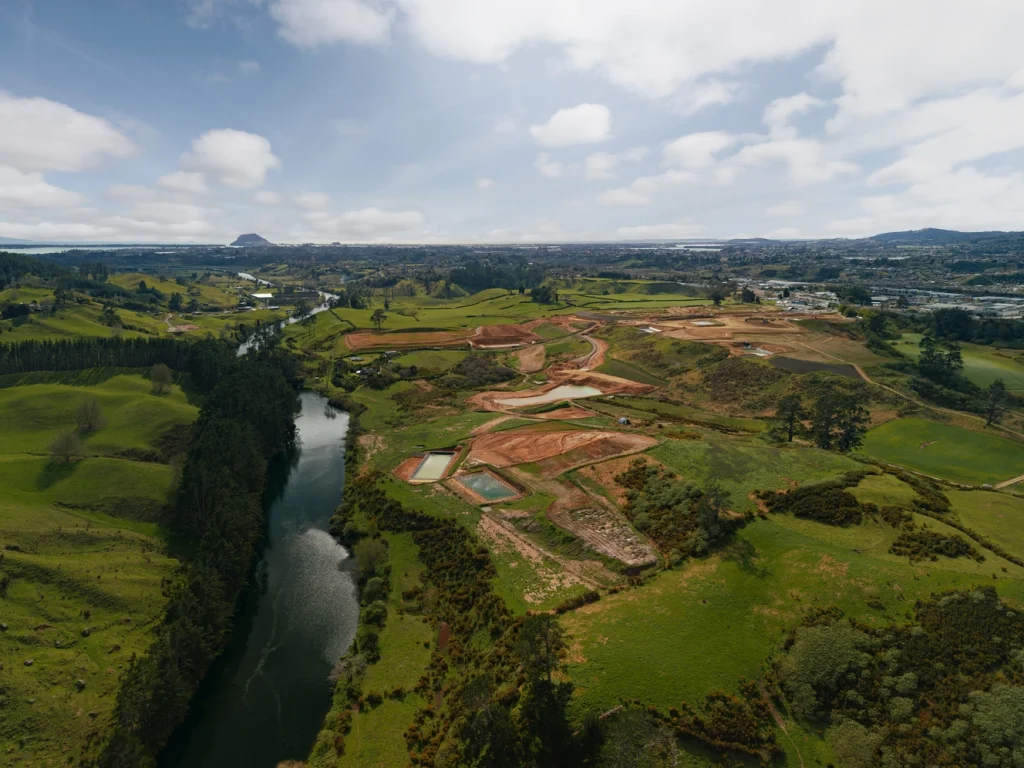
The development in Tauriko continues in Tauriko West, with Classic Group’s latest residential development, Riverside Tauriko. With signage now in place and the first stage expected to come to market in 2027, the development is expected to deliver 1,000 new homes, a retirement village, a village centre, and sports fields by 2037. A further 1,200 homes and new schools are also anticipated within the growth area.
Following years of planning, consenting and collaboration, Classic Group’s project represents long-term investment that depends on confidence in transport infrastructure, growth planning and coordinated delivery.
In that sense, Tauriko is a useful example of what the Regional Deal is trying to improve. The deal does not replace the careful work already underway by councils, NZTA, landowners and developers. Its value is in helping that work move with greater alignment, clearer sequencing and stronger confidence around the infrastructure needed to support growth.
This is important because projects of this scale are rarely delivered by one organisation alone. Housing, transport, freight, local roads, stormwater, community facilities and commercial investment all need to come together over time. When those parts are better coordinated, the region is better placed to turn planned growth into real homes, connected communities and productive business land.
That is the practical promise of the Regional Deal: not to overstate what any single agreement can achieve, but to create a stronger delivery environment for the projects the region already knows it needs.