
Latest News

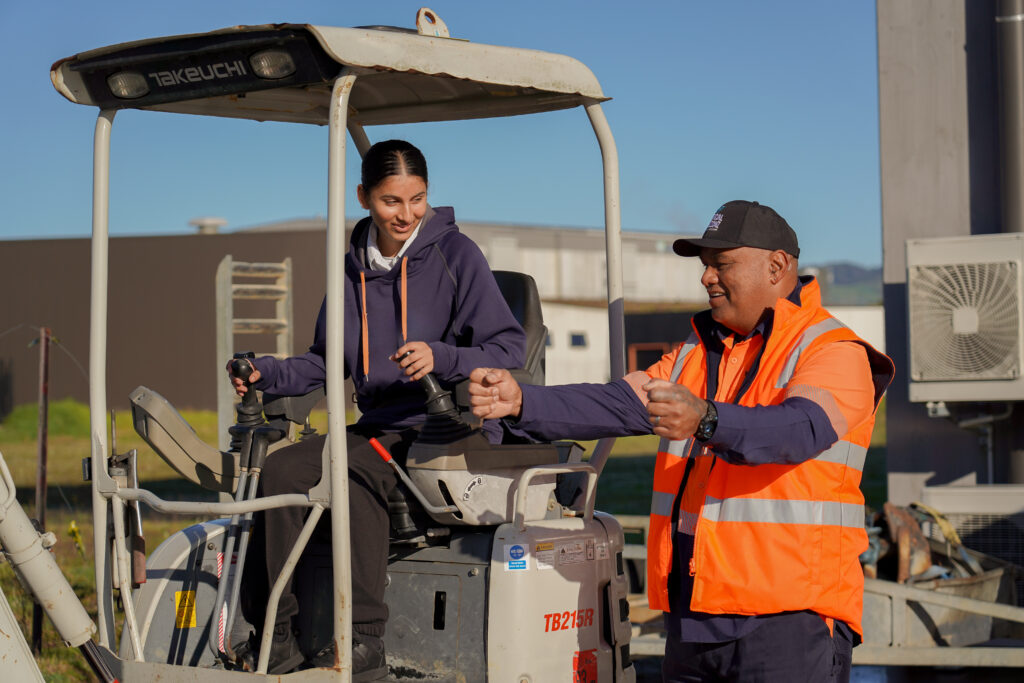
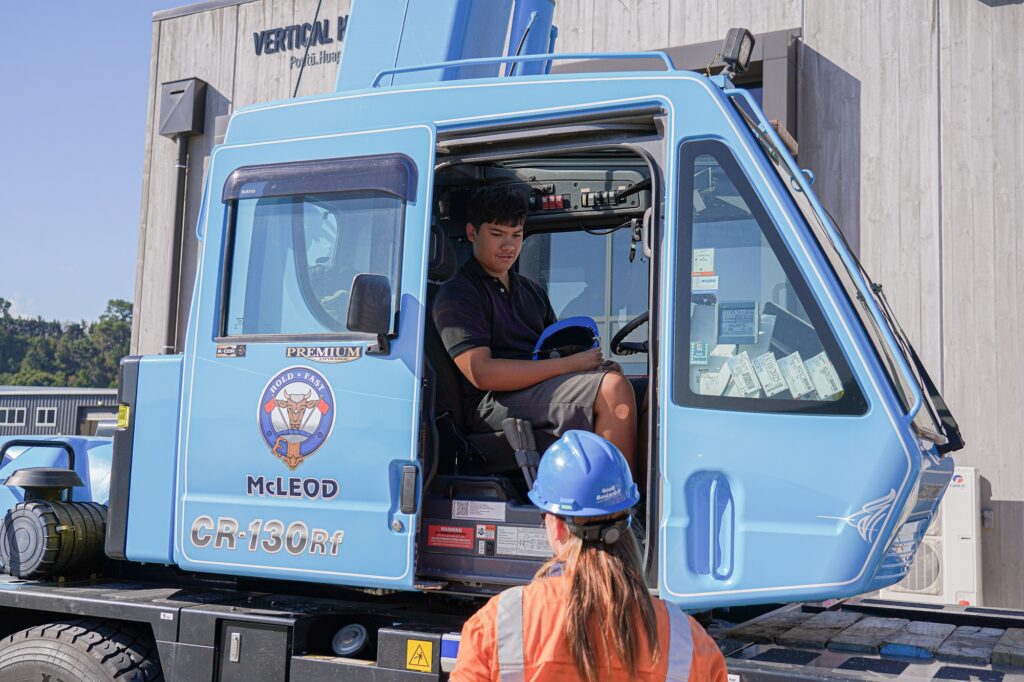
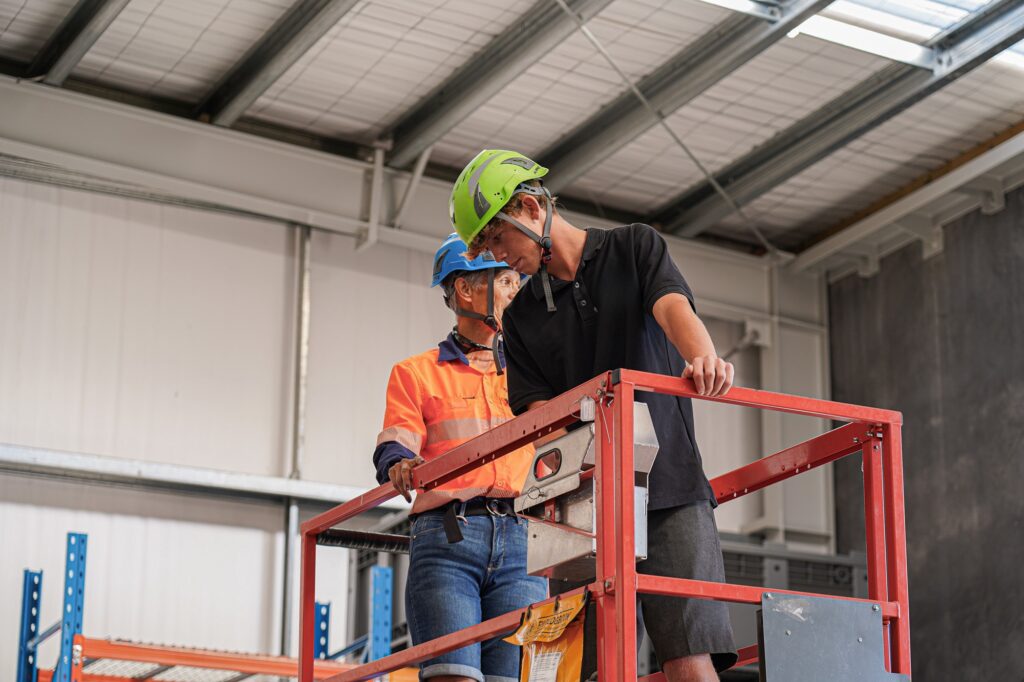
There is a quiet shift happening in the way employers are thinking about hiring rangatahi. It is not being driven by policy or headlines. It is coming from the ground. From supervisors who are training beyond their job descriptions. From businesses who are realising that hiring a young person today often means stepping into a role that looks a lot like education, mentoring, and sometimes even parenting.
Through Ara Rau’s industry group, that reality is becoming clearer. Employers are seeing young people come through training programmes with qualifications in hand yet still arriving without the basics that make employment work. Not only lacking the technical skills but also the human ones.
Understanding a payslip, knowing what PAYE is, turning up consistently, communicating clearly, reading the room. These are not isolated cases. They are becoming common enough that one local employer has made a call that would have felt unusual five years ago. They have hired a life coach, not to support performance, but to support transition. To help their young employees bridge the gap between education and the reality of work.
That decision says something important. The job is no longer just the job. And the numbers back up what businesses are seeing on the ground. There is currently no dedicated funding to support this kind of transition work. Employers are stepping up to provide support like life coaching, mentoring, and foundational skills training, and they are having to carry that full cost. For many businesses, especially small to medium enterprises, this becomes a real constraint.
They can see the value, and in some cases the necessity, of this support, but without subsidy or shared investment, it is difficult to sustain or scale. If we want more employers to take this approach, there needs to be government funding available that recognises transition support as part of workforce development, not an optional extra.
Youth unemployment in New Zealand is sitting at around 15.2 percent for those aged 15 to 24, significantly higher than the national average of just over 5 percent. In regions like the Bay of Plenty, that figure is sitting around 15 to 16 percent.
At the same time, rangatahi are actively asking for work experience as a way to build confidence and capability, yet there are limited subsidies available to support employers to offer it. According to MSD, there are 88,000 young people in New Zealand who are not in employment, education, or training. This is a significant, largely untapped workforce that is ready and willing to engage. Without structured pathways and support for employers to bring them in, we risk leaving that potential on the sidelines. There is an opportunity here to better connect that willingness with real experience, in a way that works for both young people and the businesses prepared to invest in them.
Youth unemployment has increased year on year, and entry level roles are shrinking, making that first step into work harder to access. So, while more rangatahi are completing training, fewer are stepping cleanly into employment. And those who do are often arriving underprepared for the realities of the workplace.
This is the disconnect. For a long time, we have assumed that employment skills are picked up along the way. That young people absorb them through part time jobs, family environments, or social exposure. That assumption no longer holds.
This is not a failure of young people. It reflects the conditions they have come through. Many rangatahi have had key transition years disrupted by Covid, missing out on part time work, in-person learning, and the everyday moments where workplace norms are picked up. For some, there has also been limited connection to formal work environments through family, community, or early employment opportunities. Add to that a labour market where entry level roles have tightened, rising costs of living, and in some cases more complex home environments, and the picture becomes clearer. What employers are seeing is not a lack of willingness or potential. It is a generation that has had fewer chances to build the informal skills that once developed naturally through experience.
Rangatahi are coming through systems that offer qualification pathways but are light on what could be called the “hidden curriculum” of work. The unwritten rules. The expectations that are obvious only once you have experienced them. Employers are now carrying that load.
And for many, it is stretching capacity. Training a new employee used to mean showing them how to do the job. Now it often includes teaching financial literacy, communication basics, time management, and workplace etiquette alongside the role itself.

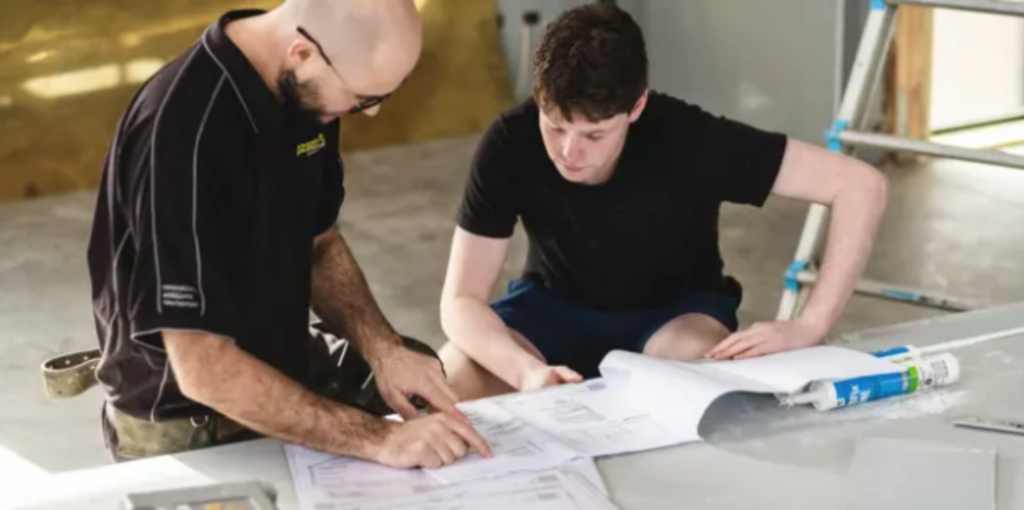
That is not a criticism of young people. It is a signal that the system around them has gaps. The most interesting shift is not the problem. It is the response. Across the Ara Rau industry group, employers are starting to move from frustration to redesign.
Some are:
Building pre-employment readiness into their hiring model: Not expecting candidates to arrive “ready” but designing onboarding that explicitly teaches workplace basics.
Investing in wraparound support: The life coach example is not an outlier. It is an early signal of a broader shift toward pastoral care in employment settings.
Hiring for potential over polish: Recognising that traditional signals like CV quality or interview confidence may not reflect capability and adjusting hiring criteria accordingly.
Partnering more closely with training providers: Closing the loop between what is taught and what is needed, rather than treating them as separate systems.
And what needs to happen next? The risk is that employers are quietly absorbing more and more of this responsibility without the system shifting to meet them. If that continues to happen, we will still have a mismatch between training and employment outcomes.
A more useful response could look like shared ownership:
- Training providers embedding real world capability: Not as an add on, but as core curriculum. Financial literacy, workplace expectations, communication, and resilience.
- Employers co-shaping training design alongside training providers: Not at the point of recruitment, but at the point of programme development.
- More structured transition pathways: Bridging programmes, supported placements, and stepped entry into work that recognises where young people are starting from.
- Normalising support: Removing the stigma from needing help to transition into work. Making it part of the system, not an exception.
- Government-backed funding for transition support: Targeted investment to help employers provide foundational skills training, recognising this as a critical part of workforce development rather than an unfunded expectation.
It is easy to frame this as a deficit. A generation that is not ready. That framing misses the point.
What is emerging is a clearer understanding of what young people actually need to succeed, and a willingness from the support systems, training providers and employers to meet them there. The gap we are seeing has been shaped by the systems around them, not by a lack of effort or intent from rangatahi themselves. If anything, many are showing up ready to engage, but into environments that assume knowledge they have not yet had the chance to build. Recognising that shifts the conversation from judgement to responsibility, and opens the door to designing pathways that are more realistic, more supportive, and far more effective.
That creates an opportunity.
To build a system that is more honest about the transition into work.
To design pathways that reflect real starting points.
To produce employees who are not only technically capable, but grounded, confident, and work ready in a meaningful way.
The employers leaning into this are not lowering the bar. They are redefining how people reach it. And in doing so, they may be shaping a more resilient workforce than the one that came before.