
Latest News

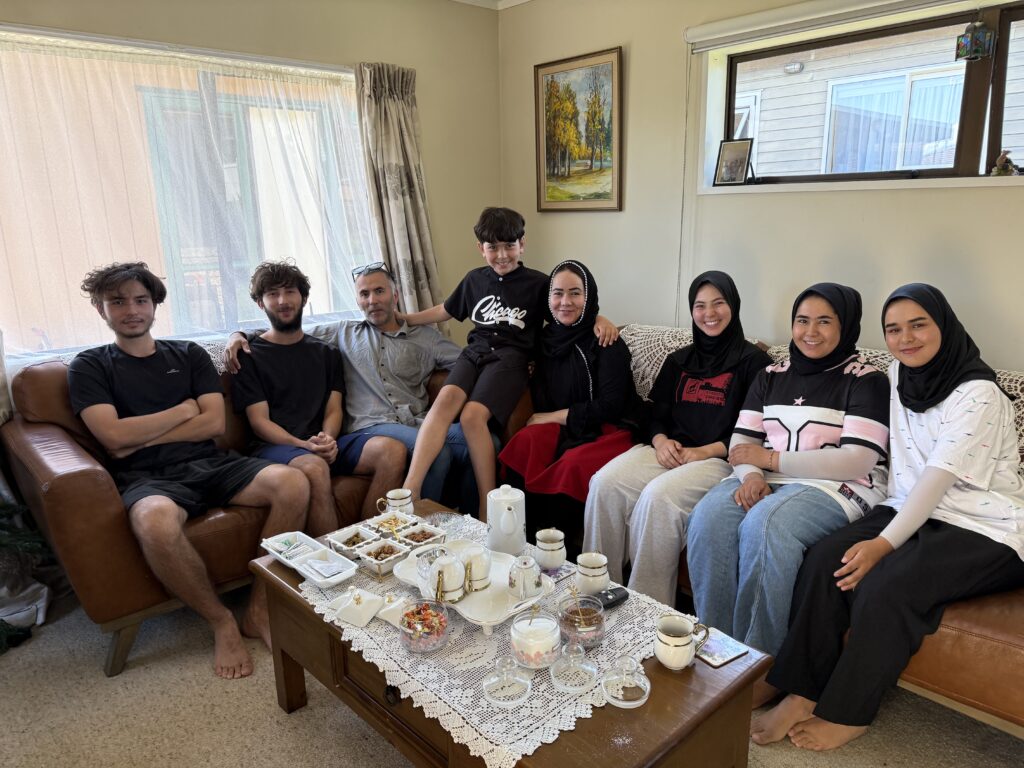
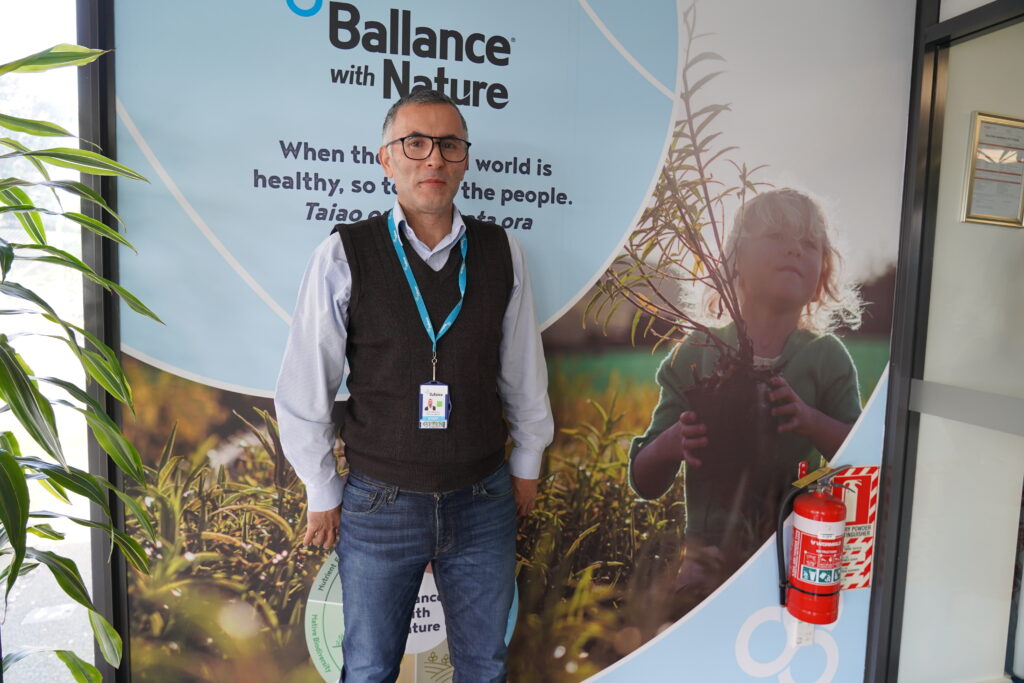
When Amin Bamyani joined Ballance Agri-Nutrients in September 2022 as a geospatial analyst, he brought more than a specialised skill set. He brought a story of survival, quiet resilience, and a hope that one day others might share in the safety and support he and his wife Tahira, and their four children have found in Aotearoa.
Originally from Afghanistan, Amin arrived in New Zealand under refugee status and had already secured permanent residency when he applied for the role. From the outset, his talent stood out. He brought both the technical capabilities required and a personality that immediately struck a chord with the hiring team. Christina Finlaysson, who led the recruitment at the time, described him as the standout candidate, highly qualified, curious, and eager to learn. He quickly became known for his humility, commitment, and the kind of steady excellence that makes a team stronger.
But Amin’s story didn’t end with employment. Behind the scenes, he was carrying the emotional weight of his family’s separation from his wife’s sisters, Amina and Hamida who remained in Afghanistan under increasingly perilous conditions. When the opportunity arose to begin the visa process to bring them to New Zealand, Ballance stepped in to help.
Ballance’s people and capability team provided documentation to support the visa application, including salary verification and an employment reference affirming Amin’s value to the company and the country. They even offered financial support for legal and immigration assistance to ease the application process.
“None of it felt like a favour,” says Kendyl Clarke, People and Capability Business Partner Leader. “It was simply the right thing to do. One of our core cultural pillars is care. We’re here for our people, and this was an opportunity to stand behind that in a real, tangible way.”
That care extended into the day-to-day. During the long and stressful months of waiting, complicated by the requirement for the two women to travel to Pakistan, a dangerous journey for Afghan women, Amin was offered flexibility and emotional support. Ballance reminded him regularly that he had their backing, encouraged him to take time if needed, and ensured he was aware of their employee assistance programme for counselling.
Others also supported the process behind the scenes. Sam Uffindell, a National MP, assisted with Amina and Hamida’s case, helping to work through the immigration requirements and the ministerial exemption needed for them to enter New Zealand. At a local level, Haidee Kalirai, Diversity and Culture Advisor at Tauranga City Council, helped connect the family and their supporters with relevant community organisations such as Good Neighbour, Multicultural Tauranga, HereToHelpU, English Language partners and others in the absence of dedicated government-run immigration services. Their involvement reflects the practical coordination often required, across different parts of the system, to support families seeking to settle safely in Aotearoa.
When confirmation finally came that the visas had been approved and Tahira’s sisters could fly, the joy within the team was palpable. “It was like a collective exhale,” Kendyl reflected. “We’d been holding our breath with him.”
Amin never asked for special treatment. Throughout the emotional and logistical challenges, he remained committed to his work. His role, developing precise, data-informed maps that help farmers apply fertiliser efficiently, is complex, requiring not only technical precision but also a genuine connection with clients. His colleagues describe him as the kind of person who asks insightful questions, builds strong relationships, and always offers a helping hand.
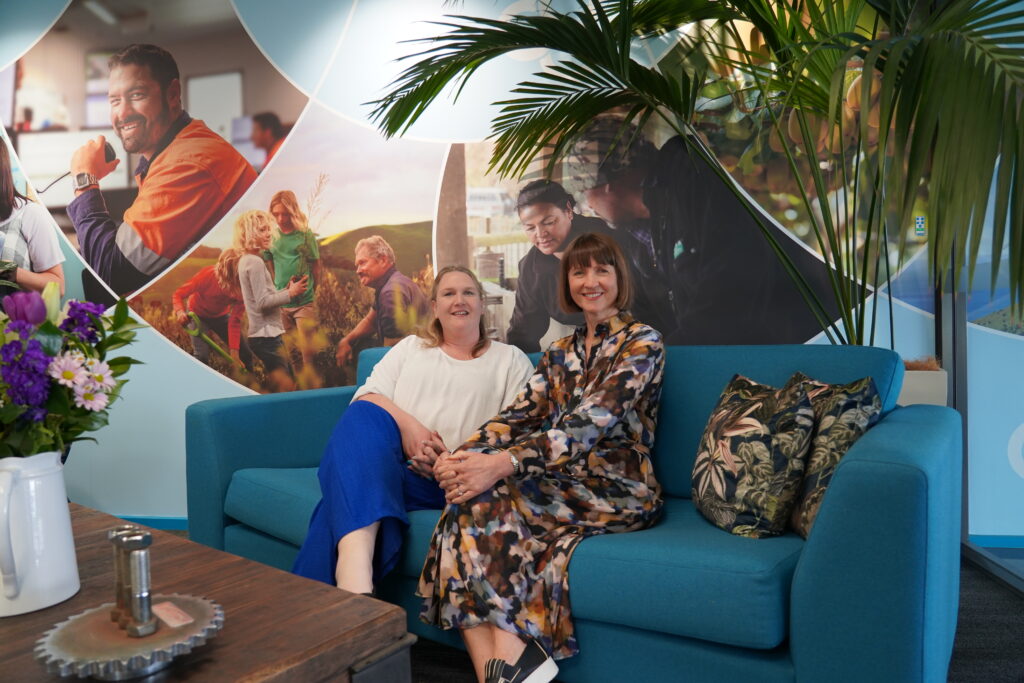
His curiosity and openness to learning have seen him expand his capabilities, including writing code and taking on tasks outside of his remit to support his team.
Beyond his technical contribution, Amin brings something less quantifiable but equally important: a grounded, gentle presence. “He’s the kind of colleague who stands to the side to let you pass,” says Danusia Bathgate, Senior Digital Product Lead. “He’s gracious, thoughtful, and incredibly respectful, traits that might be cultural, but are also deeply personal.”
Now, with Amina and Hamida living safely with his family in New Zealand, Amin has the kind of stable life he once only imagined. While Amin’s story is unique, it’s not the only one of its kind at Ballance. The company has a track record of supporting employees through life’s big challenges, from health issues to complex family matters, with the same ethic of care.
These moments, are not always publicised, go a long way in shaping a workplace culture where people feel genuinely supported. And that, in turn, builds loyalty. “People remember how you made them feel during the hard times. That care makes all the difference,” says Kendyl.
Amin’s story highlights the challenges that refugee and migrant employees face, and the barriers employers often encounter in trying to support them. From accredited employer criteria to delays in visa processing, many businesses, particularly smaller ones, struggle to navigate the immigration system.
Ballance acknowledges that their size and access to immigration advisors gave them an advantage. But they also see the potential benefits for others. “When you bring in international talent, especially those with deep technical or global experience, you’re raising the bar for your whole team,” Danusia noted.
And for Amin, the payoff has been twofold: professional growth in a role that values his expertise, and personal joy in being reunited with his family.
Kendyl reflected, “Amin’s story reminds us that the things we often stress about aren’t really big things. Perspective is everything. And he’s given us that.”
For Amin’s wife Tahira, her own story of settlement in Aotearoa has quietly unfolded in another Tauranga workplace, one built on craftsmanship, heritage and deep social conscience.
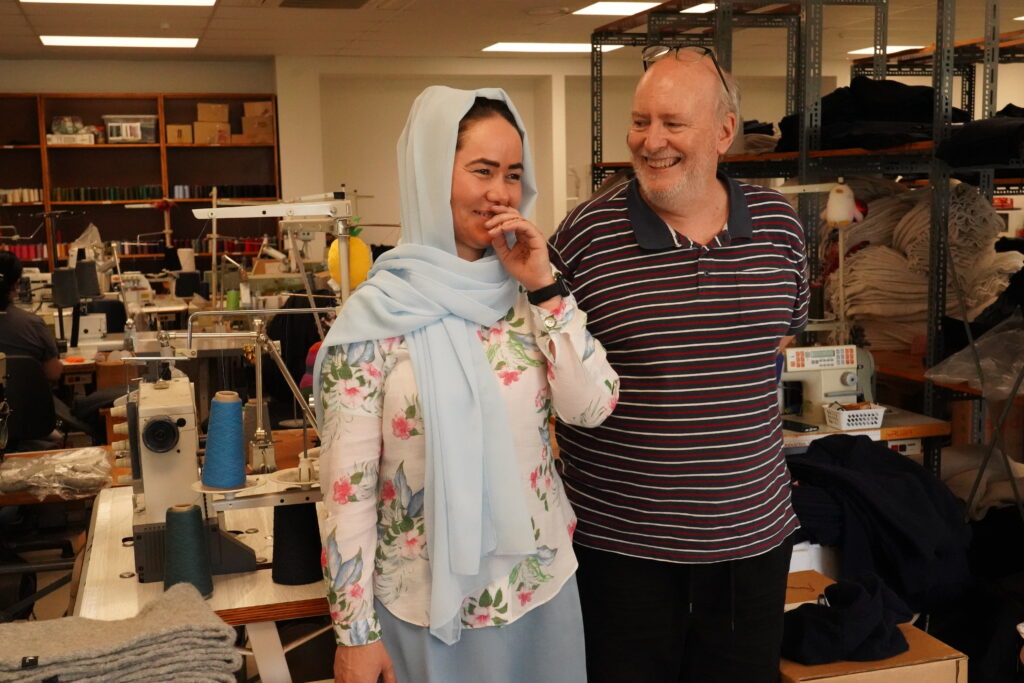
Tahira works at Beverley Productions, a family-owned manufacturing business that has been operating since 1962. The company works with some of the world’s most prestigious fashion labels, producing high-end garments, luxury blankets, technical wear and specialist knitwear that retails for thousands of dollars per piece. Their machinery runs around the clock, creating fully formed garments in minutes using fibres such as possum, merino, hemp and even rare deer hair.
Yet it is not the scale of the operation that defines the business. It is the values behind it.
When Tahira first arrived in Tauranga, she didn’t speak any English. She had never seen an industrial manufacturing floor. Everything was foreign, unfamiliar and overwhelming. A small job advertisement led to an introduction through a community advocate who called Rob Ward, the owner of Beverley Productions. His response was simple. Bring her in tomorrow.
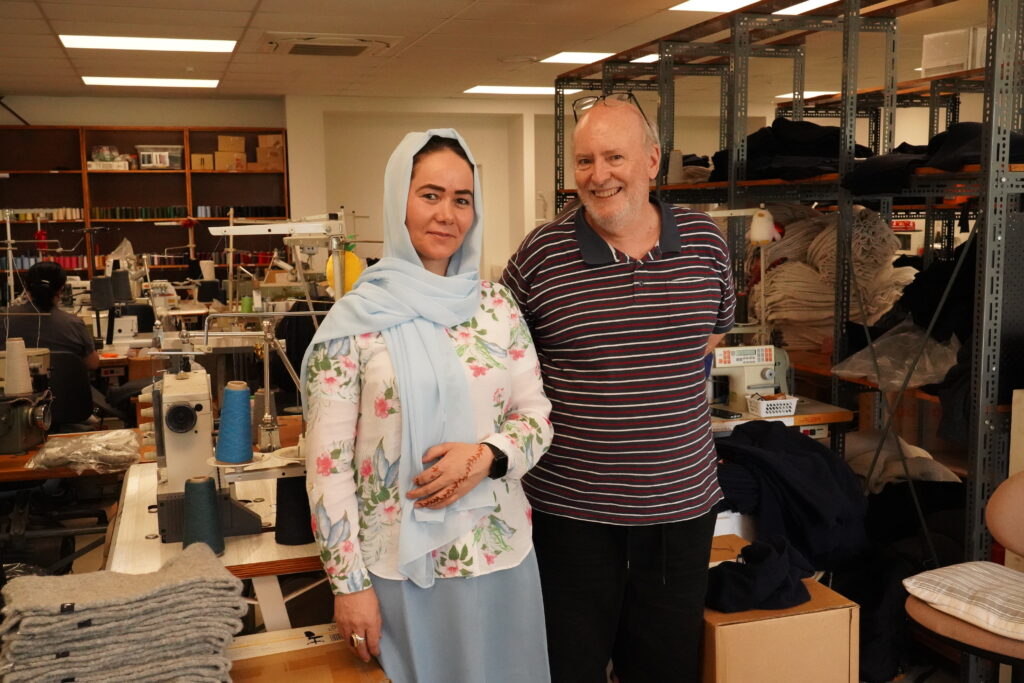
Tahira’s first day mirrored the fear and bravery that define so many migrant journeys. She was nervous. She did not yet understand the language, the machines or the expectations. But the team saw immediately what she brought. A natural skill with textiles, precision, a keen focus and a strong work ethic. Under quiet guidance from her supervisor, Shirley, Tahira picked things up quickly. Today she works across multiple tasks, continually expanding her skill set.
“There are other migrants here too,” Rob shared. “They come from different countries and English is their second language. When they have a problem, they gather together and solve it. That sense of collective problem-solving is powerful.”
Inside this workplace, Tahira found more than employment. She found community. One colleague taught her the road code. A few weeks later, she passed her driver’s licence. A major milestone of independence.
For Rob, supporting migrants is deeply personal. His father died when he was eight, leaving his mother to continue the business alone at a time when women were rarely supported in leadership. The kindness of others kept their company alive. Decades later, Rob sees employing and advocating for migrants as an extension of that same generosity.
“I treat people the way I want to be treated,” he says. “Tahira had never had her own income in her life. One of the first things we did was open her own bank account. For the first time, she had money that was hers.”
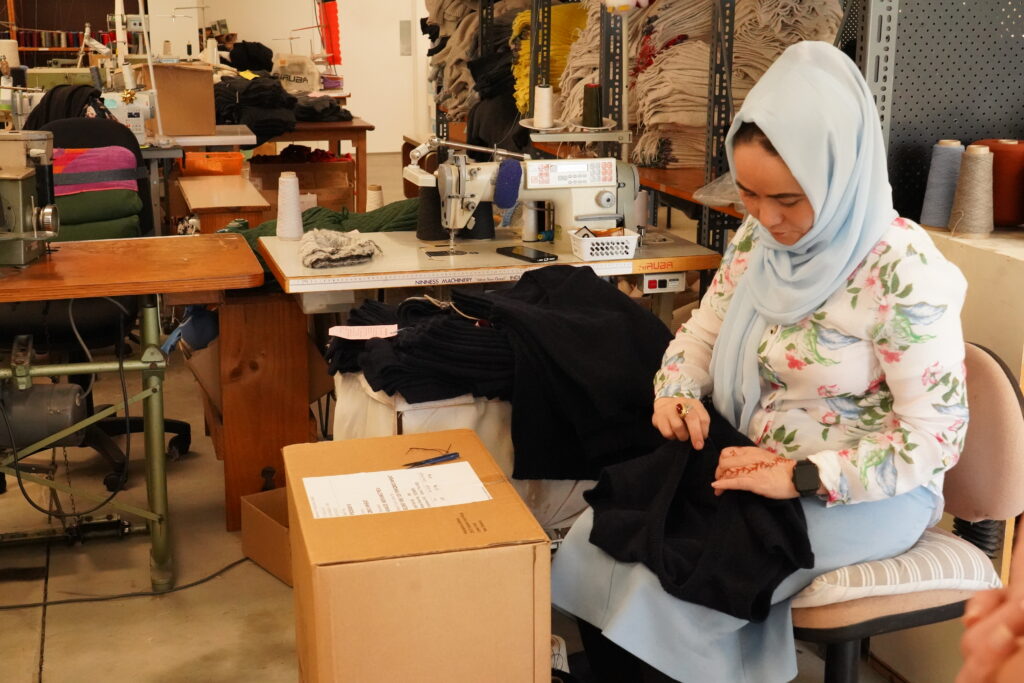
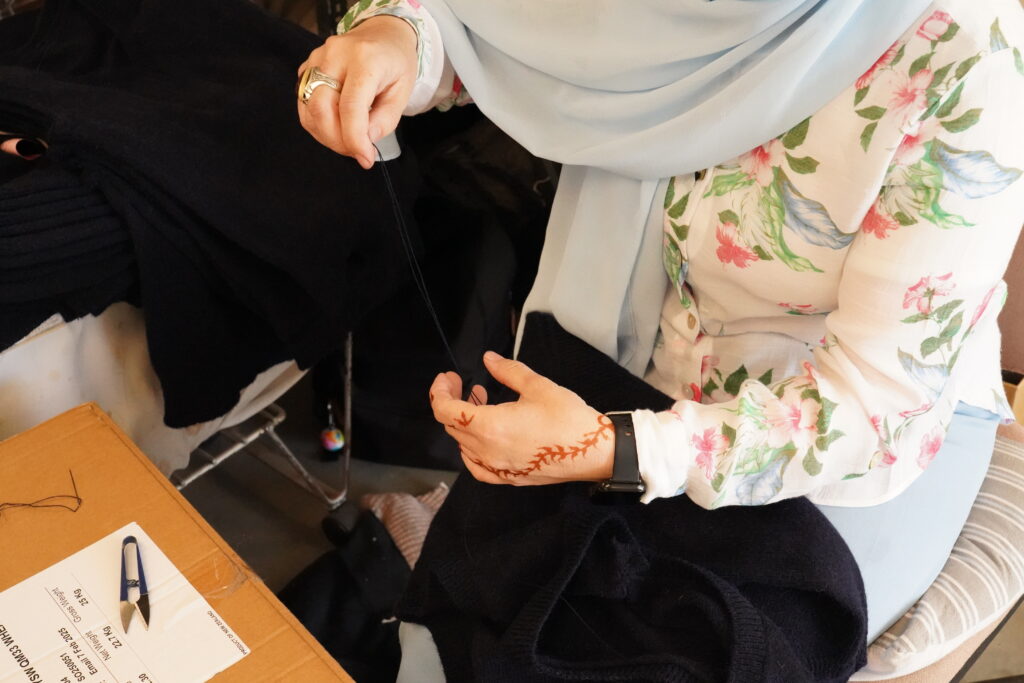
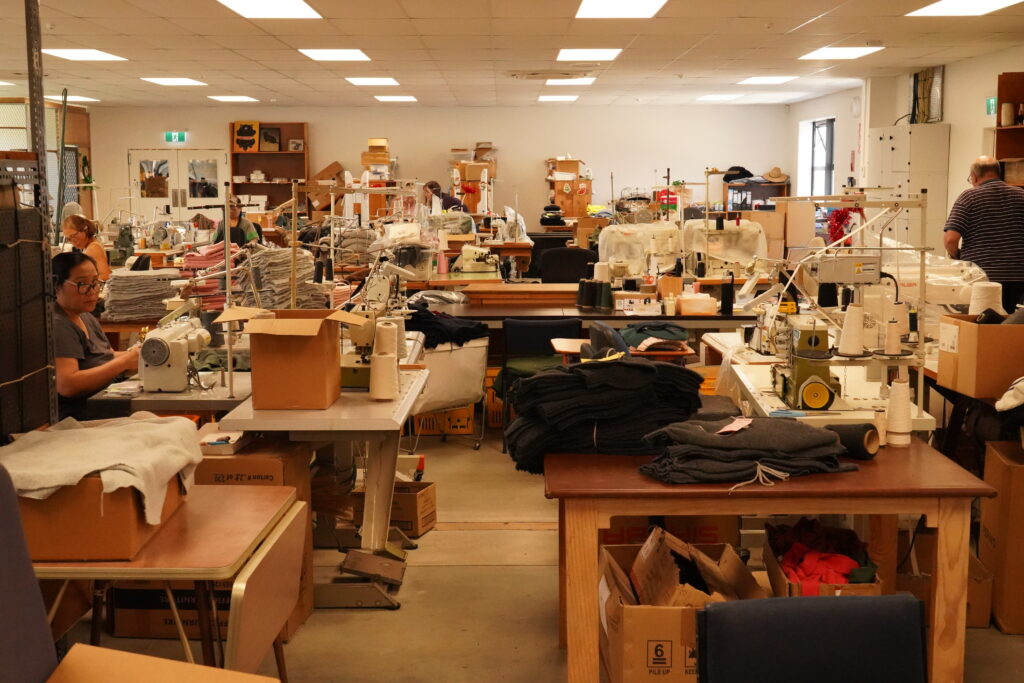
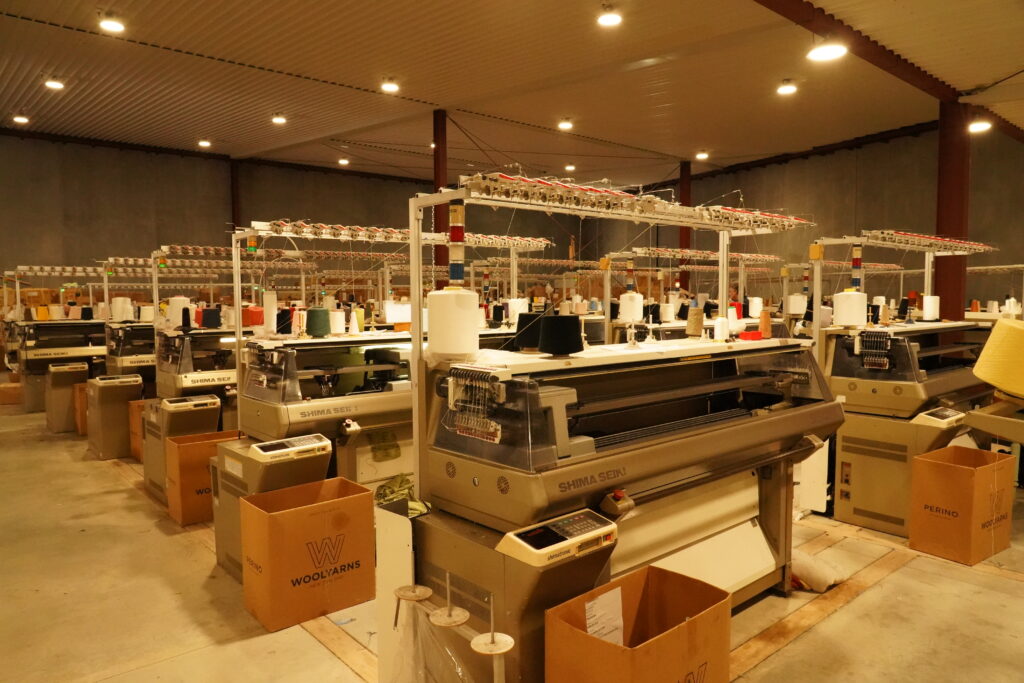
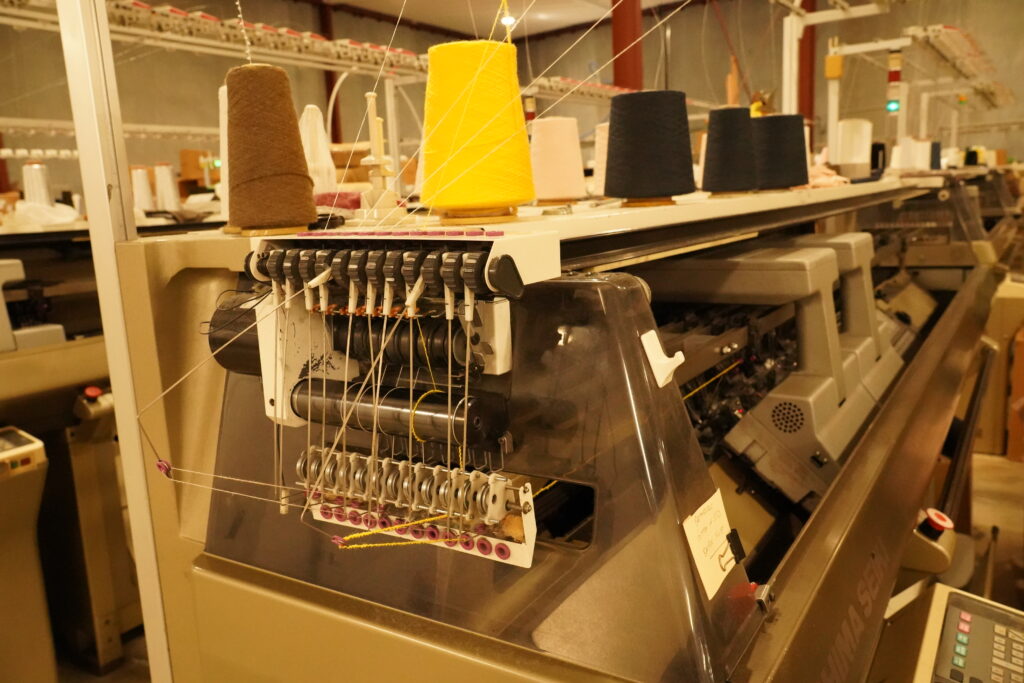
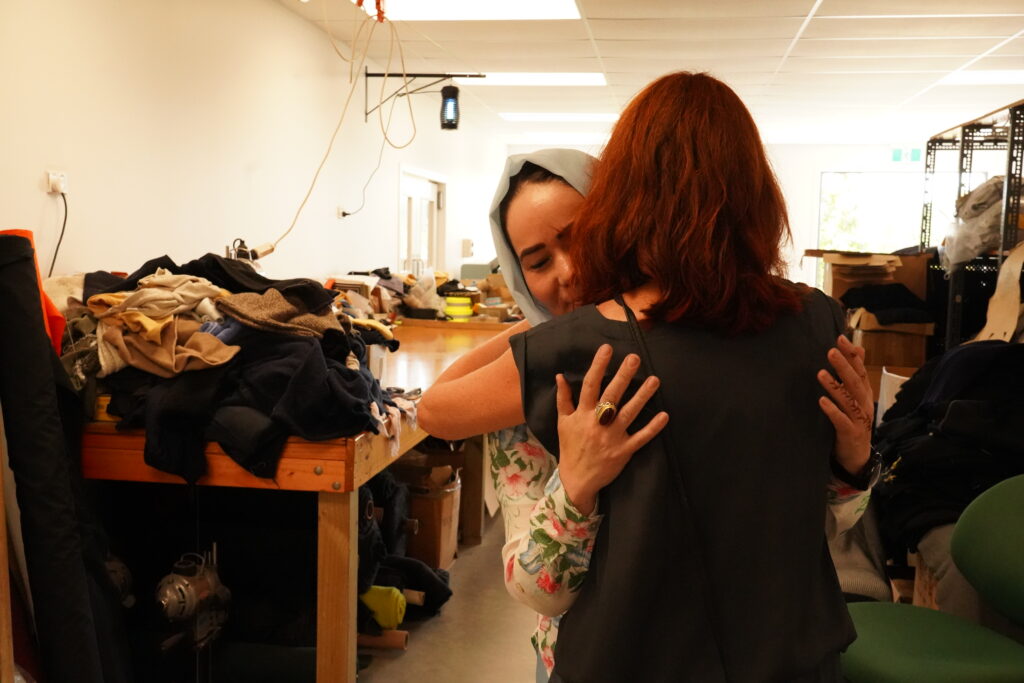
He speaks of the unseen challenges many people carry. Tahira had never seen the ocean before moving to New Zealand. Her first swim in the sea was emotional. The salt, she didn’t know the ocean was salty. The freedom, joy, growth and sometimes pure surprise new experiences bring are moments we can take for granted.
Outside of work, she gives as much as she receives. She bakes at 4am before early shifts so she can bring food for her team. When someone is sick, she turns up with soup. Before gaining employment, she volunteered for more than a year at Good Neighbour helping with their food rescue programme. Now her sisters volunteer for several community organisations while they seek paid employment. Both women were pulled out of university when the Taliban returned to power. Hamida, is artistic, highly intelligent and self-taught in English. Amina is a skilled seamstress who will start work at Beverley Productions in the coming weeks.
For Rob, Tahira represents courage and generosity in its purest form.
“She comes from a place where she was not allowed to work. Now she loves coming here every day. She has friends. Purpose. Independence. She gives constantly, even when she has very little. That kind of bravery humbles you.”
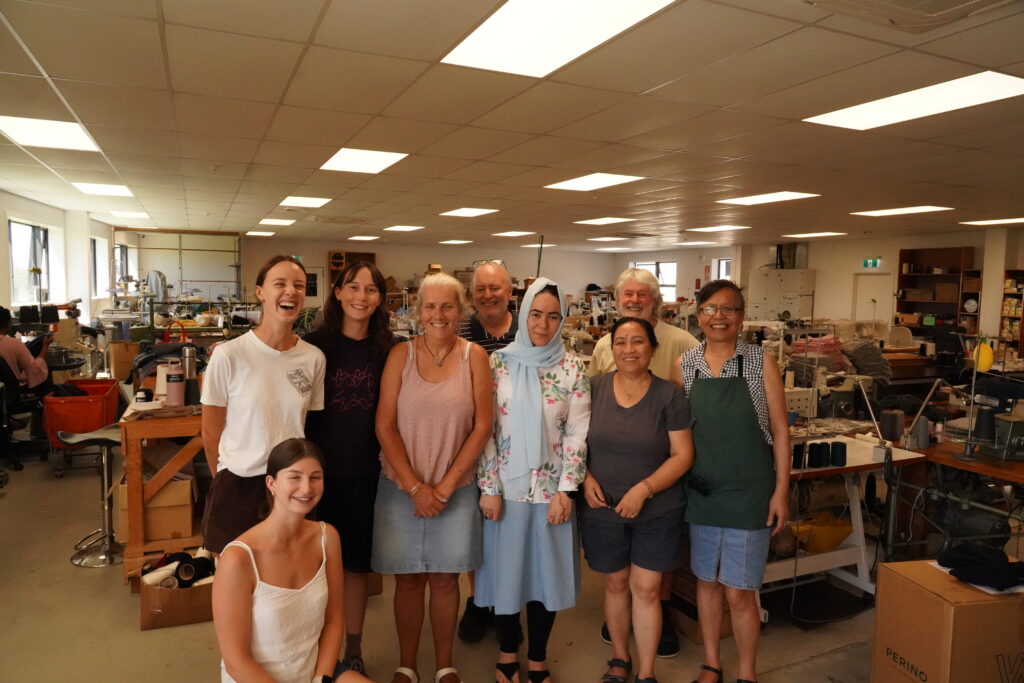
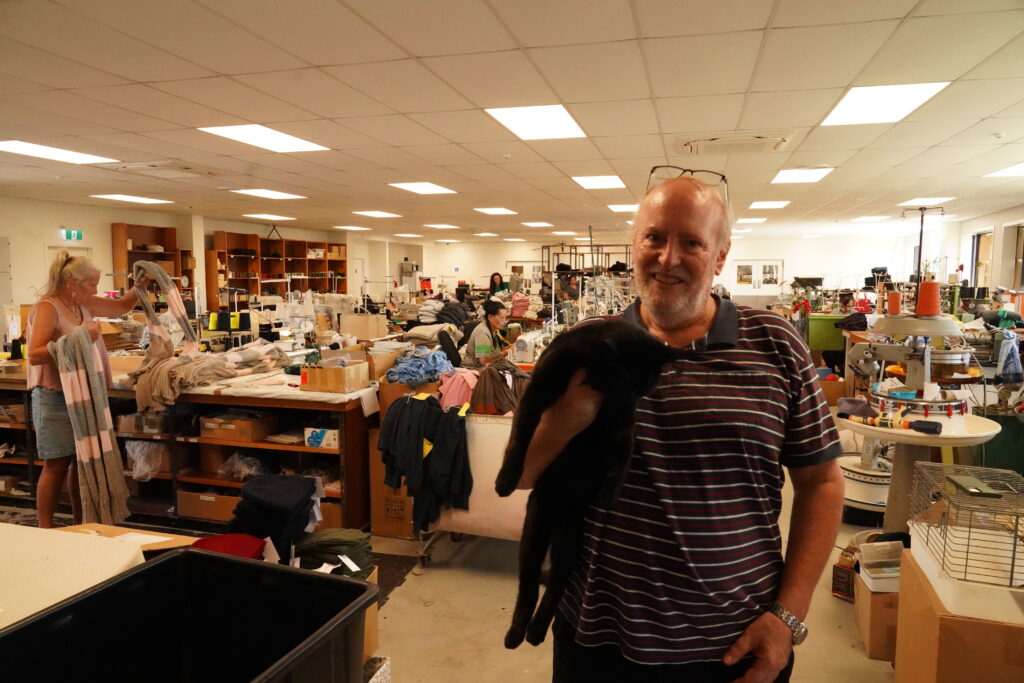
In just three years, Tahira and Amin saved enough to buy a home. What began as survival has become stability. What began as fear has become confidence. Their four children have settled into kiwi life and are thriving, winning awards, playing sports, getting involved in everything they can and adopting a life of opportunity and freedom. They each have big goals and now the space and support to reach those goals.
Together, their stories form two parallel versions of what belonging can look like. One through corporate systems and formal support. The other through craft, community and grassroots advocacy. Different pathways, grounded in the same truth.
When business chooses to see the human first, lives change.
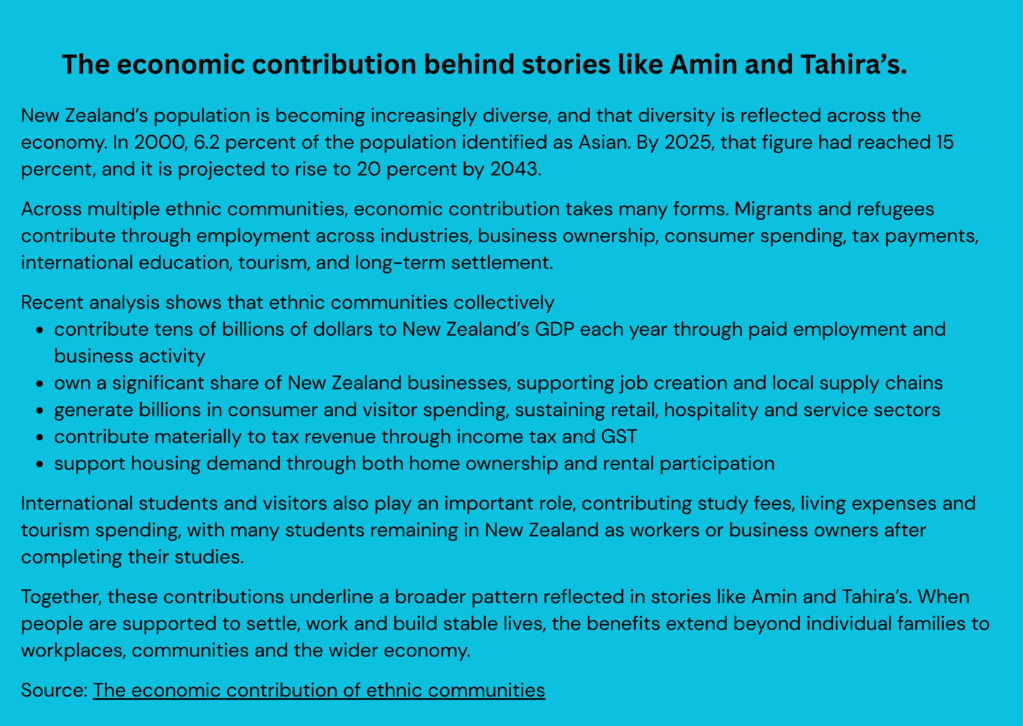
https://economics.infometrics.co.nz/article/2025-10-the-economic-contribution-of-ethnic-communities