
Latest News

While startups often get the spotlight, plenty of the real innovation is happening within existing organisations, driven by people like Jeannine Walsh, founder and head of the New Ventures team at Beca. Ahead of our upcoming Design + Innovation Meetup on intrapreneurship, we talk to Jeannine about what it takes to drive change from within.
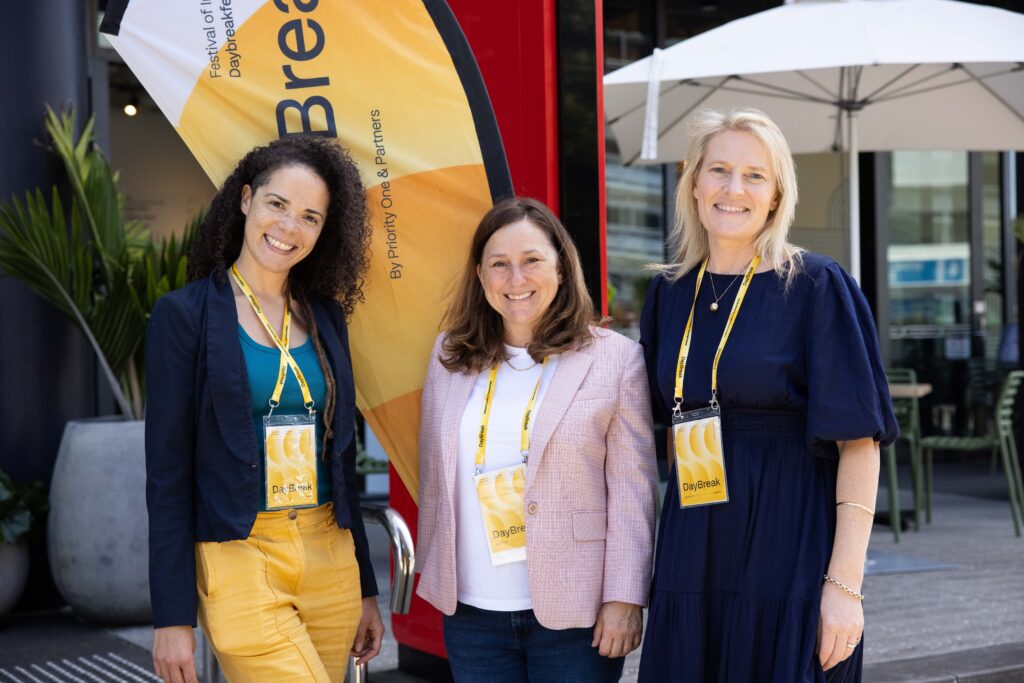
She’s pictured with Beca colleagues Lyah Oliviera (left) and Sandra Downs.
Most people don’t get to start a business from scratch – but that doesn’t mean they can’t think and act like entrepreneurs.
In fact, for the vast majority of the workforce, innovation happens inside organisations, rather than outside them. While startups and founders tend to dominate the conversation, there’s an equally important force driving change across the economy: intrapreneurship.
At its core, intrapreneurship is about applying an entrepreneurial mindset within an existing business – spotting opportunities, solving problems and driving new ideas forward from the inside. It’s how processes are improved, new products are developed, and organisations stay relevant in fast-changing markets.
And right now, that matters more than ever.
Across our recent business sentiment survey, many organisations signalled they are navigating rapid shifts – whether that’s technology, workforce pressures or changing customer expectations. While external disruption often gets the headlines, the ability to respond from within is what will shape long-term resilience. “In a world where transformation is the norm, intrapreneurship enables organisations to surface and act on valuable ideas from within, driving meaningful progress,” says Jeannine.
Today’s business landscape demands agility. Unlike traditional entrepreneurship, intrapreneurship doesn’t require leaving your job or taking on personal financial risk. But it does require a different way of thinking – one that’s proactive, curious and willing to challenge the status quo.
For individuals, that might look like identifying inefficiencies in day-to-day work and proposing a better approach. It could mean experimenting with new tools, testing ideas on a small scale, or connecting dots across teams that don’t usually collaborate. Often, it starts with simply asking: is there a better way to do this?
For organisations, the opportunity is just as significant. Businesses that actively support intrapreneurship tend to be more adaptable and better positioned to respond to change. They create environments where ideas can surface, where people feel empowered to contribute and where innovation isn’t confined to a single team or role.
“Organisations can encourage intrapreneurship by making it safe and practical for people to test new ideas. It’s about reducing friction, giving permission to experiment and creating pathways for good ideas to be explored, not just acknowledged,” says Jeannine.
Of course, innovating is not without its challenges. Many businesses are structured around efficiency and risk management – both important, but not always conducive to experimentation. Time constraints, competing priorities and unclear pathways for progressing ideas can all act as barriers.
That’s why creating space for intrapreneurship – whether through dedicated innovation time, pilot programmes or simply encouraging new thinking – can make a meaningful difference. When people inside organisations are also supported to actively engage with customers, they gain a much deeper understanding of the challenges and opportunities that truly matter.
There’s also a mindset shift required. Not every idea will succeed, and that’s part of the process. The organisations seeing the most benefit are often those that treat experimentation as learning, rather than failure.“The biggest shift is cultural. When organisations start to value learning as much as outcomes, people become far more willing to try new things and push ideas forward. Fall in love with the problem – not the solution.”
Importantly, intrapreneurship isn’t limited to large organisations or specific industries. It’s just as relevant for small and medium-sized businesses, where the ability to adapt quickly can be a real competitive advantage. In these environments, even small changes – e.g. streamlining a process, adopting a new tool or refining a customer experience – can have an outsized impact.
As the pace of change continues to accelerate, the question for many businesses isn’t just how they respond to external trends, but how they enable internal momentum. While startups may capture attention, it’s often the innovative opportunities nurtured within existing organisations that create meaningful impact.
Jeannine’s advice for getting started? “Start small and stay curious. Look for one thing that could be improved, test an idea in a low-risk way, and build from there. Intrapreneurship is really about momentum, not perfection.”
For business owners and leaders, the takeaway is clear: innovation doesn’t always require building something from the ground up. Sometimes, it starts by unlocking the potential already sitting within your team.
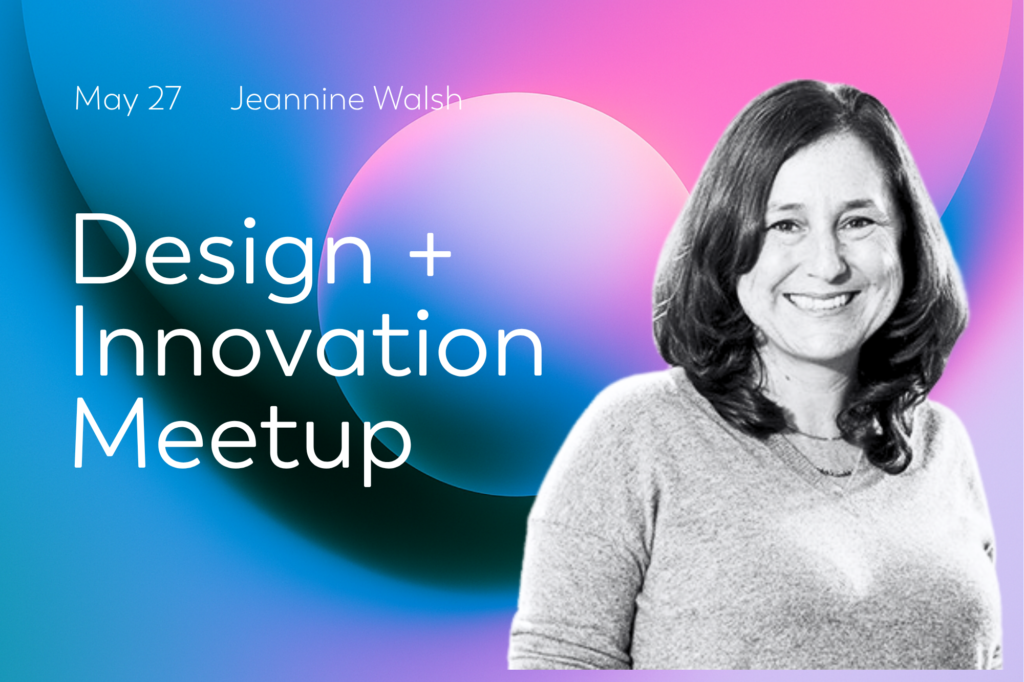
Hear more from Jeannine at our upcoming Design & Innovation Meetup: Future‑ready Organisations: Critical Success Factors for Intrapreneurship
$5 entry, refreshments included
When: 4-6.30pm, Wednesday 27 May
Where: Priority One, 29 Grey Street, Tauranga
REGISTER NOW
About Jeannine: As the founder and head of the New Ventures team at Beca, Jeannine Walsh drives innovation and entrepreneurship within one of Asia Pacific’s largest independent advisory, design and engineering consultancies with over 100 years of history. Her team pursues new opportunities and partnerships for growth and impact. Jeannine has a diverse global background in business development and international trade across the US, UK and New Zealand, and has helped clients grow their markets worldwide with her consultancy and advice. She is passionate about wellbeing and mindful leadership, both in her professional and personal life. She has served on the board of a mental health NGO, founded a social enterprise helping people and organisations navigate change, and leads mindfulness meditation for Beca employees and her community.