
Latest News

Investment is often framed as something that happens far away from young people. It can sound like a conversation for boardrooms, balance sheets and people already well into their careers.
But investment is not only about money. It is about choices. It is about what a region values, what problems it decides to solve, and what kind of future it is prepared to build.
For young people, being exposed to those conversations early matters. It helps them understand how decisions made today can influence the places they live, the industries they may work in, and the opportunities available to them in the years ahead.
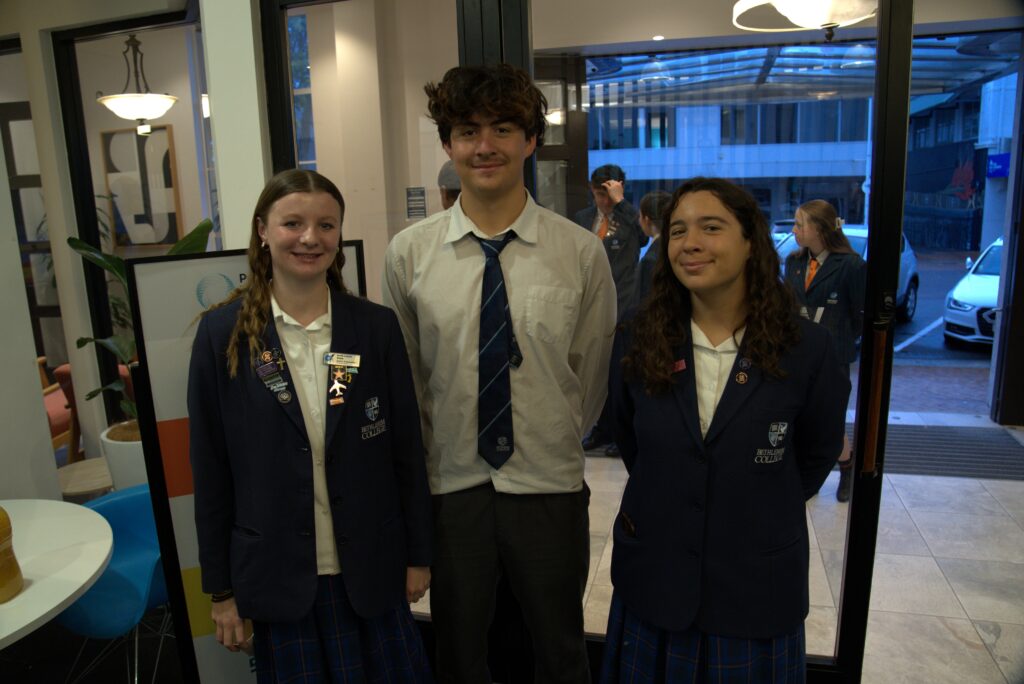
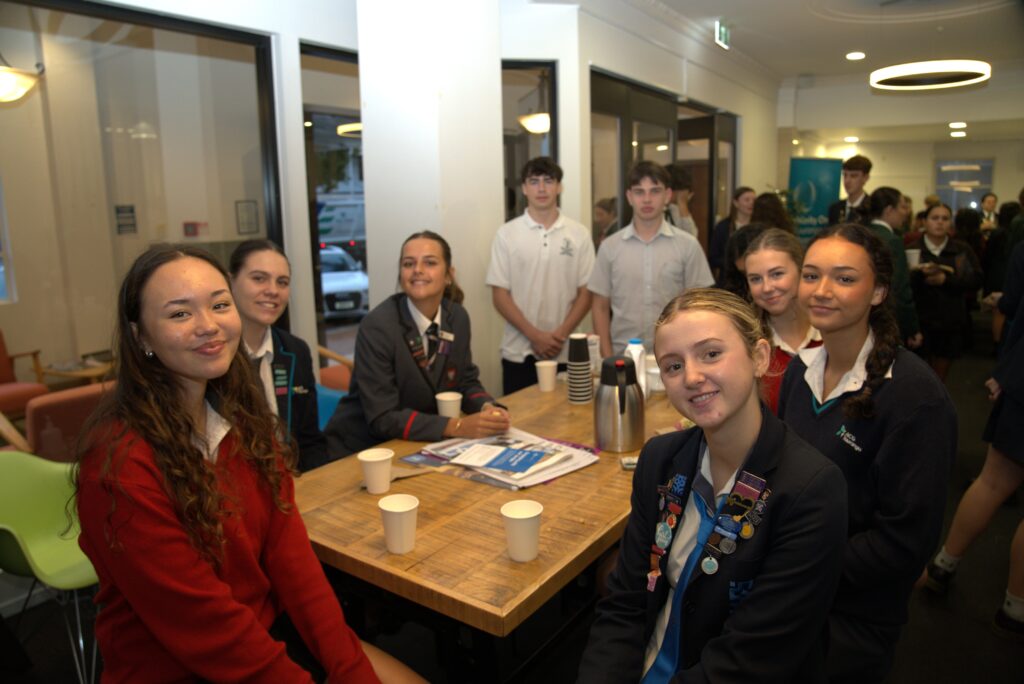
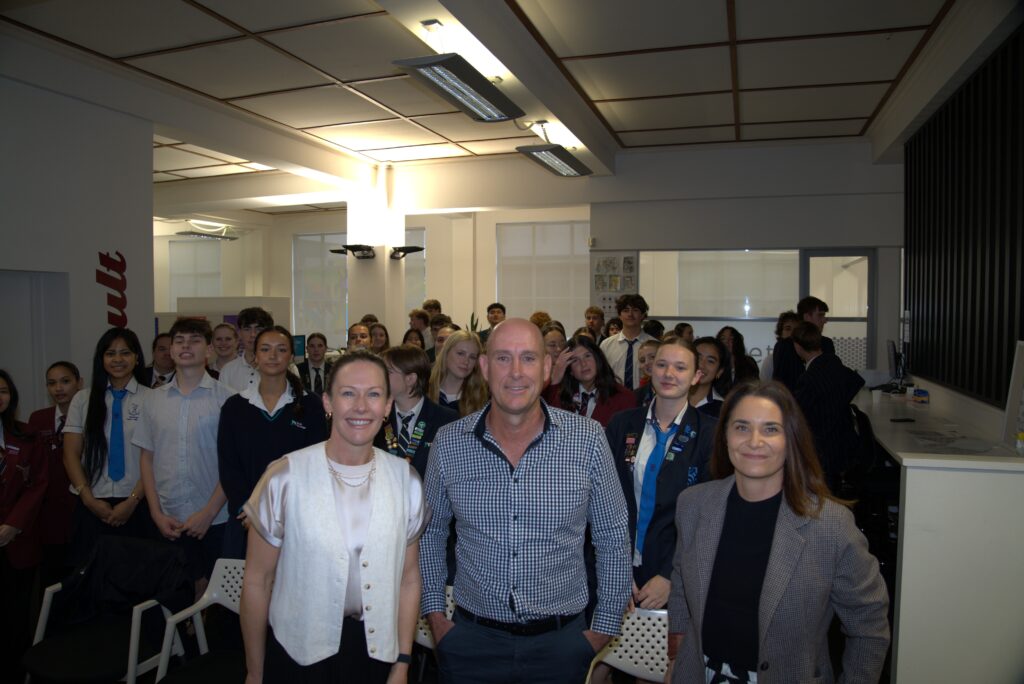
As part of the Instep Young Leaders’ Forum, students recently attended a business breakfast hosted here at Priority One. The breakfast brought together speakers from organisations involved in the Tauranga Moana Investment Attraction Group.
The aim was to give students a practical understanding of what each organisation does, the problems they are working to solve, and what the future could look like within their industries and communities.
Speakers included Jake Hoffart, Investment Manager at Enterprise Angels; Grace Hakaria, Marketing and Engagement Manager at Quayside Holdings; Wayne Werder, Chief Executive of TECT; and Hayley Nelson, who spoke about Tauranga’s growth, identity, arts, culture and community.
For Instep Manager Michelle Clarke, one of the strongest observations from the morning was not simply what students heard, but the quality of what they asked.
“Hearing the types of questions the students were asking was eye opening for me,” Michelle says. “Several of the speakers mentioned they would never have thought to ask those kinds of questions at that age, particularly questions around how these issues may impact their future, and others directly connected to the students’ own entrepreneurial ventures. For me, it highlighted how aware and informed our students are becoming in these environments.”
That matters because young people are often discussed in future tense. Future workers. Future leaders. Future contributors. But in the right environments, they show they are already thinking critically about the systems they are growing up inside.
They are not only asking what jobs may exist. They are asking what kind of region is being built, who is making those decisions, what risks are involved, and how they might take part.
For Year 13 ACG student Rāmari York, one of the strongest takeaways was that the speakers did not focus solely on financial return.
“What stood out to me most was that all of the speakers talked less about money and more about people, values, and long-term impact,” she reflected.
That is an important distinction. When young people are introduced to investment through a narrow financial lens, it can feel abstract or inaccessible. But when investment is connected to people, place and long-term outcomes, it becomes easier to understand as a tool for shaping communities.
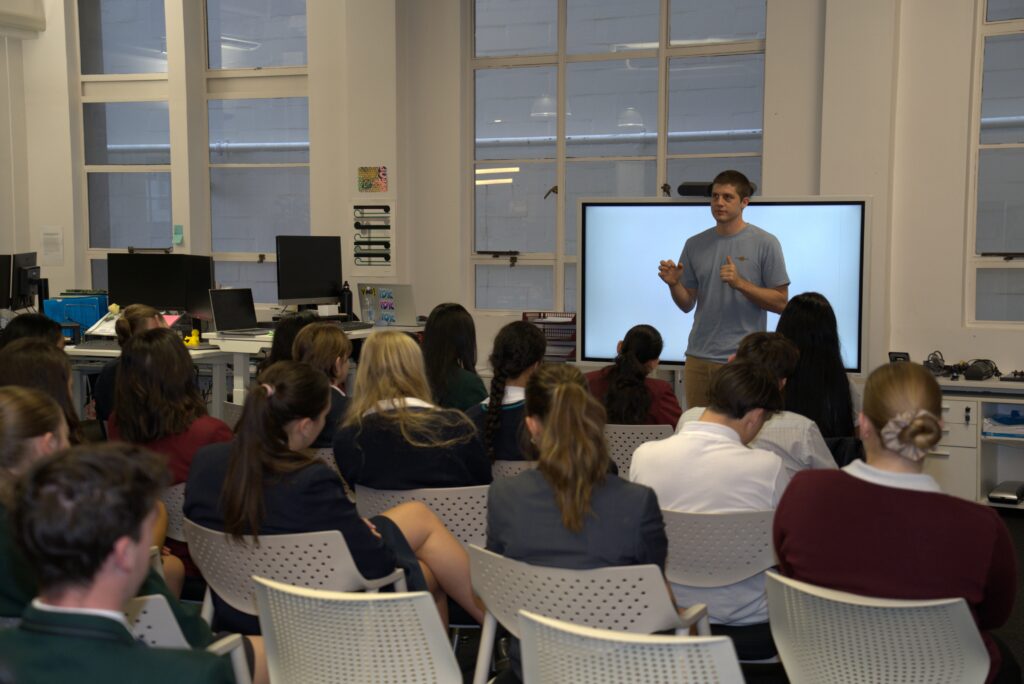
Jake Hoffart from Enterprise Angels spoke about risk-taking, growth and the reality that failure is often part of the process. Rāmari said his comments helped make success feel more realistic.
“As students we often feel pressure to have everything figured out straight away, but hearing someone successful talk openly about failure made success feel a lot more realistic,” she said. “One thing he said that stuck with me was that opportunities come when you put yourself around people who challenge you and help you grow.”
That message is particularly relevant for young people navigating decisions about study, work, business and identity. It challenges the idea that success comes from certainty. Often, it comes from exposure, experimentation, resilience and the ability to learn from people who think differently.
Koen McKenzie also Year 13 at ACG came away with a broader view of how investment connects with leadership and community.
“Attending the Instep Young Leaders business breakfast was a really valuable experience because it connected leadership, business, and community together in a way that felt genuine and relevant to us as young people,” he said.
Koen was particularly interested in hearing from Grace Hakaria at Quayside Holdings, who spoke about long-term investment for the Bay of Plenty and the importance of not “putting all your eggs in one basket.”
For Koen, that idea extended well beyond investment strategy.
“Her point about ‘not putting all your eggs in one basket’ applied not only to investment, but also to leadership and life in general. Developing ideas, experiences, and perspectives creates stronger outcomes long-term.”
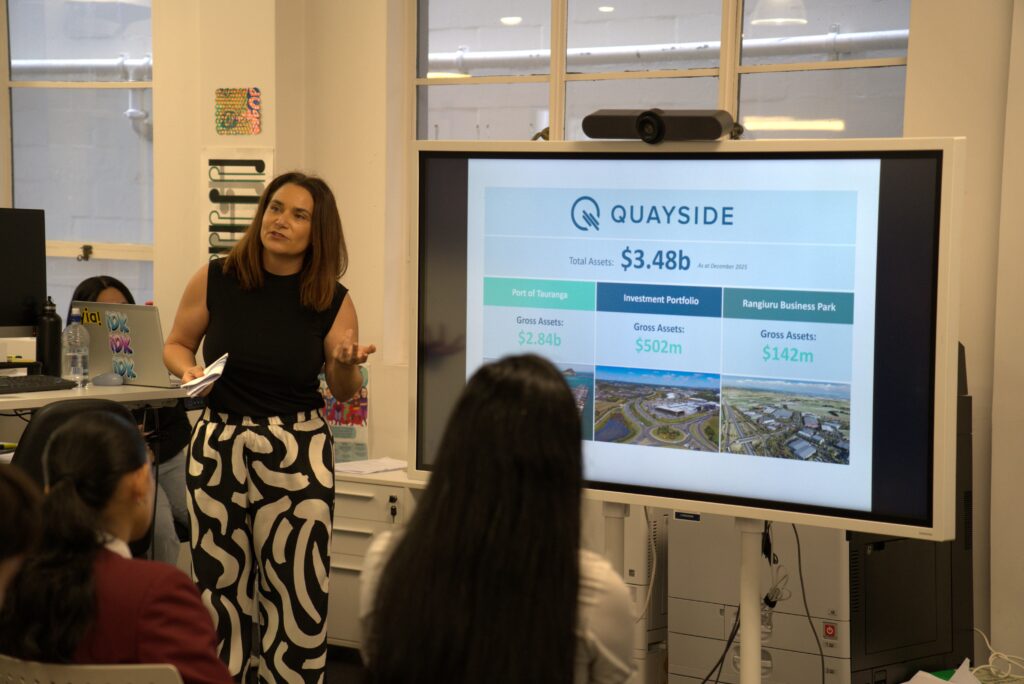
This is where exposure becomes valuable. Students can take a principle from investment and apply it to how they think about their own futures. Diversification becomes more than a portfolio strategy. It becomes a way of thinking about skills, relationships, experience and decision-making.
The breakfast also helped students consider Tauranga Moana as a place with its own economic, social and cultural identity. Koen said he enjoyed hearing Hayley Nelson speak about Tauranga’s growth.
“I also liked hearing Hayley Nelson speak about Tauranga’s growth and identity, especially around how investing into arts, culture, and community can help shape the future of the city and make it somewhere people feel proud to be from,” he said.
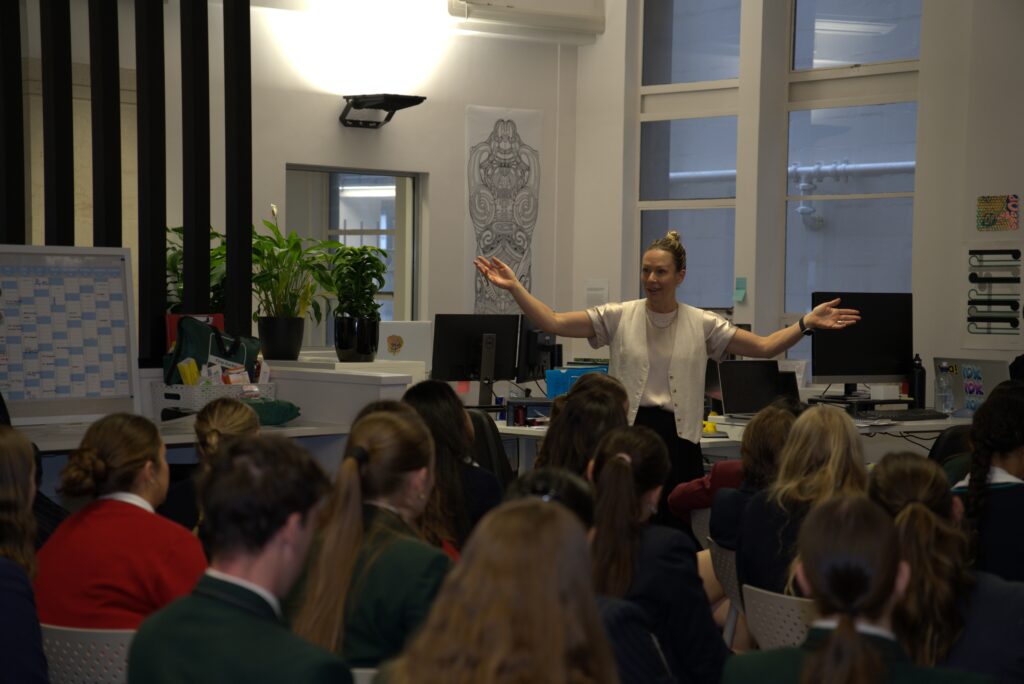
That sense of place is central to talent retention. Young people are more likely to stay connected to a region when they can see a future for themselves within it. That future is shaped not only by jobs, but by culture, belonging, infrastructure, opportunity and pride.
Wayne Werder from TECT also left a strong impression on both students. His focus on innovation, future thinking and creating opportunities that benefit both people and the environment helped show that leadership is not only measured by individual achievement.
Rāmari reflected that Wayne spoke about “building something bigger than yourself and investing into the future of New Zealand rather than only focusing on short-term success.”
Koen said what stood out was how strongly Wayne connected business with values and community impact.
“He talked about future-focused industries and creating opportunities that benefit both people and the environment, which made leadership feel much bigger than just individual success,” Koen said.
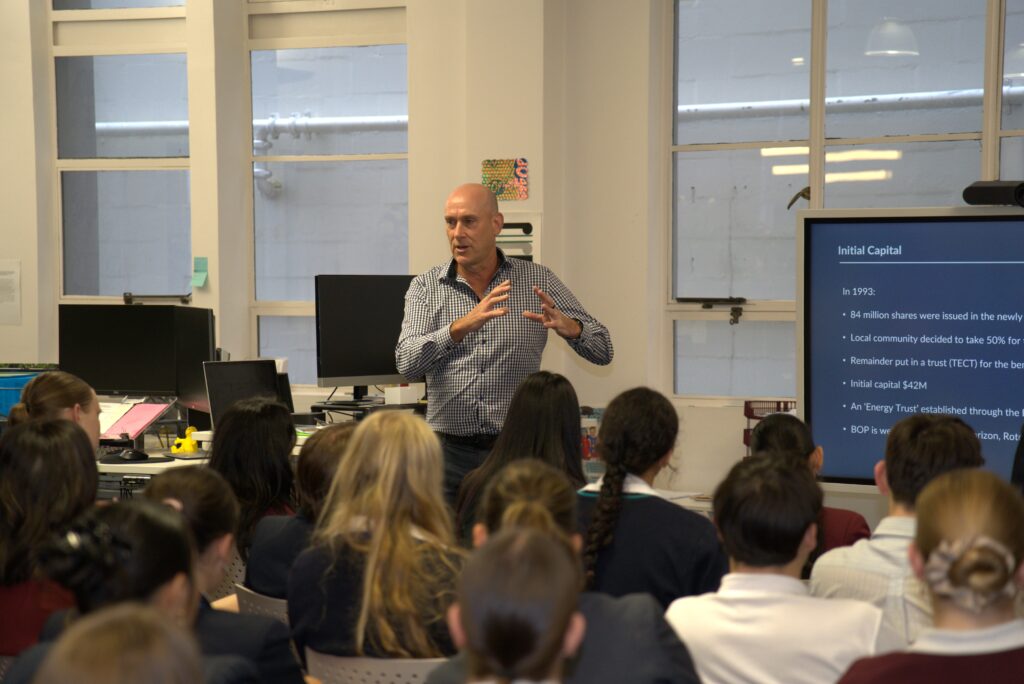
For Priority One, creating employment pathways for our people means more than supporting young people into jobs. It means helping them understand the wider conditions that create opportunity in the first place. It also means ensuring young people have access to the people, networks and conversations that shape the future of the Western Bay of Plenty.
The value of the breakfast was not that students walked away as investment experts. The value was that they were invited into a serious regional conversation and responded with curiosity, intelligence and relevance.
As Rāmari summed up, the breakfast gave her “a much wider perspective on leadership” and showed that success is not only about business achievements, but also about “backing your values, supporting others, and contributing positively to your community.”
Koen came away with a similar sense of possibility.
“Overall, the breakfast was really inspiring because it showed how many people in our region are genuinely focused on creating opportunities and improving the future for younger generations as well.”
That is why young people need to be part of conversations about investment. Not as a token audience, and not because they are expected to have all the answers, but because they are already asking sharper questions than many adults expect. Those questions deserve to be heard. More importantly, they deserve to be part of the region’s thinking about what comes next.
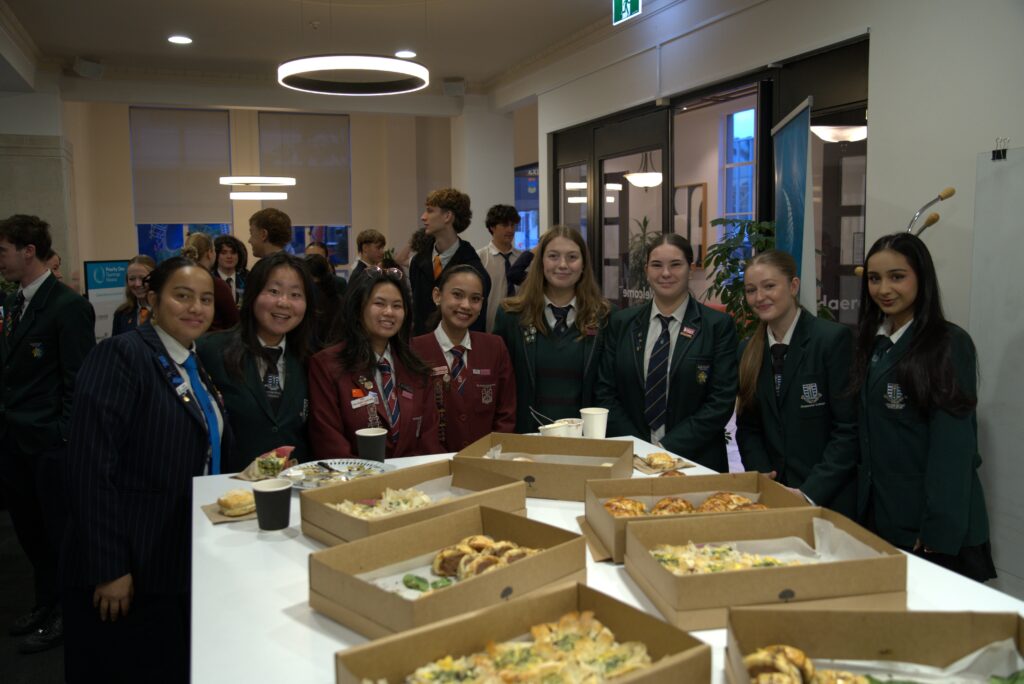
The Instep Young Leaders will continue building on this experience at the Tauranga Moana Investment Summit, where they will have the opportunity to learn more about the future of Tauranga and what it could mean for the generations coming through.