
Latest News

A jar of Mānuka honey might look like a simple product. But behind it sits a complex world of science, environmental knowledge, production, logistics, quality control and people who have built careers in places they may never have expected.
That was the idea at the heart of the latest Instep Young Leaders’ business breakfast at Comvita. Rather than listening to a series of presentations, students moved through three interactive stations, each revealing a different part of the business and the journey from hive to finished product.
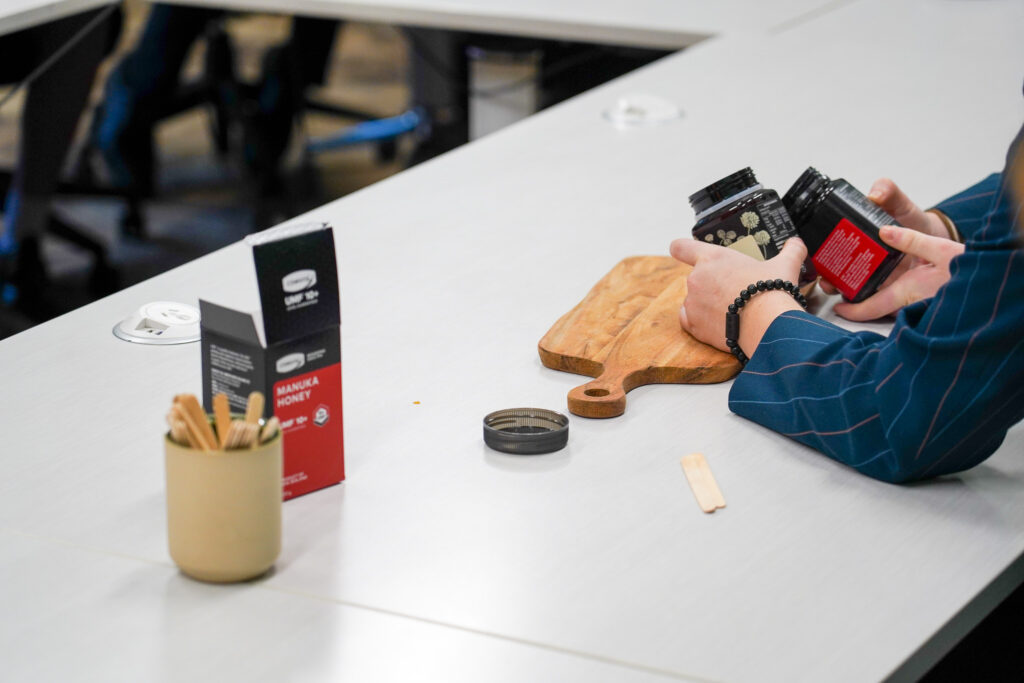
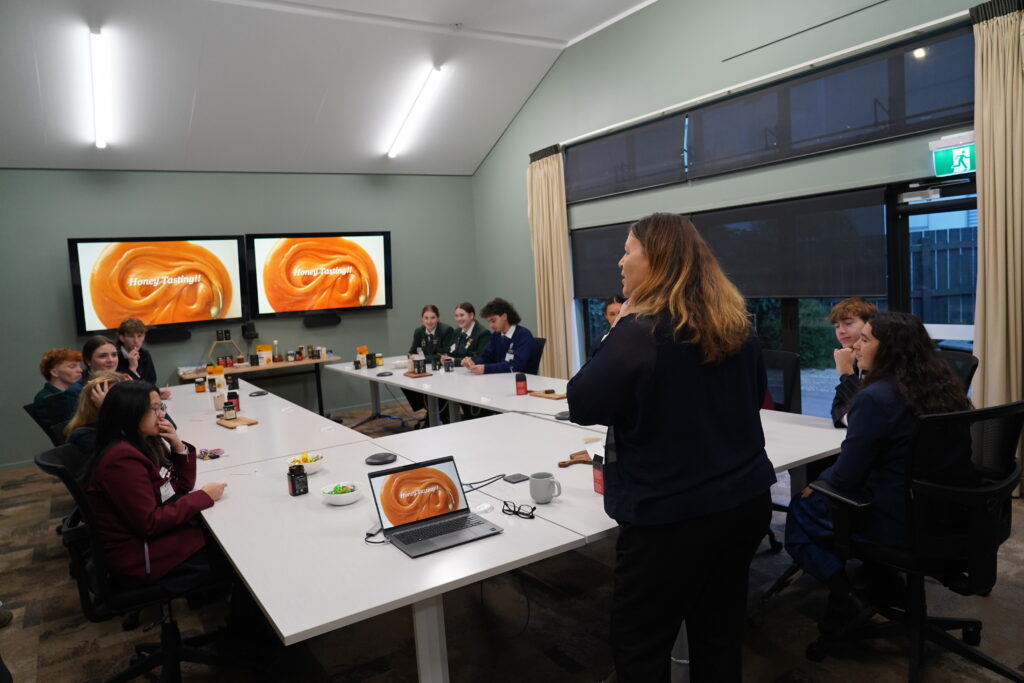
The first station was led by Comvita’s Chief Science Officer Dr Jackie Evans, who introduced students to the Mānuka honey industry, the Comvita story and the science behind its products. A guided honey tasting gave students the opportunity to consider Mānuka honey through a different lens, exploring how its flavour, composition and unique qualities are understood, tested and communicated.
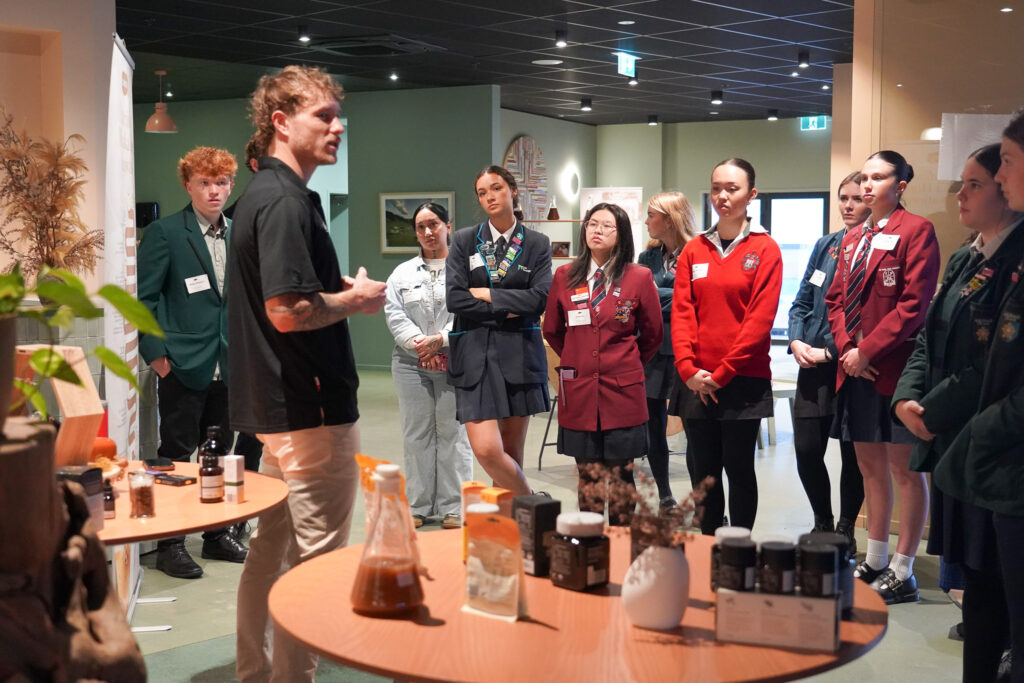
It was a reminder that science does not only happen in laboratories or universities. It also shapes the everyday products people buy, the claims businesses are able to make and the trust customers place in a brand. At the second station, Beekeeper and Apiary Branch Manager Robbie O’Brien shared his own journey into the industry. He spoke about how an interest in beekeeping developed into a rewarding career and offered students an honest view of working within the apiculture sector.
His story demonstrated something that can be easily overlooked when young people are thinking about their futures. Careers do not always begin with a perfectly mapped-out plan. They can grow from curiosity, practical experience and discovering a type of work that feels meaningful.
“The biggest message I wanted to leave with the students was that they do not need to have their careers figured out straight away. I certainly didn’t. What matters is building strong foundations: resilience, a solid work ethic, a willingness to learn and genuine passion. Those qualities will take you further than any perfect career plan, opening doors and helping you grow as both a professional and a leader, wherever your journey takes you,” says Robbie.
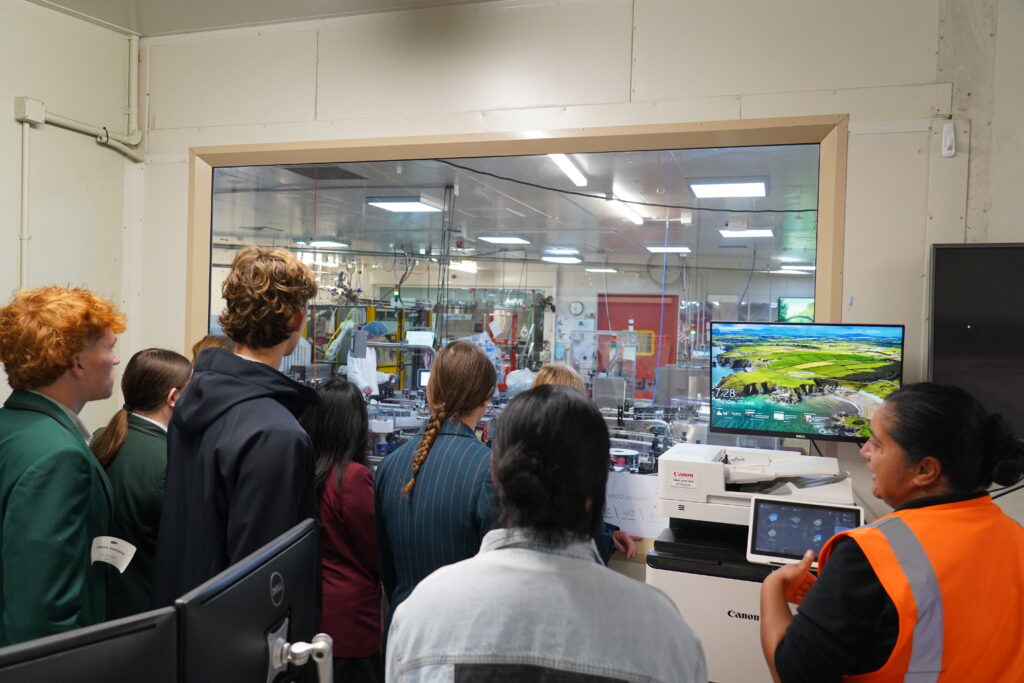
The final station took students into Comvita’s production area with Head of New Zealand Operations Phil Hardie. He explained the processes involved in turning raw Mānuka honey into the wide range of products manufactured and distributed by the company. For students, it was an opportunity to see the scale, coordination and precision required to move a product from its natural source to shelves and customers around the world. Every stage depends on people with different skills, from production and engineering to operations, quality assurance, packaging and distribution. Seen together, the three stations told a much bigger story than the story of honey.
They showed how a successful business brings together people who work in harmony with nature, people who investigate and test, people who make and improve things, and people who ensure the final product reaches the world safely and consistently. For the Instep Young Leaders, the morning offered a chance to look beneath the surface of a familiar brand and understand the many decisions, disciplines and human stories behind it.
Sometimes the most useful way to expand a young person’s view of the future is not to ask them what job they want. It is to place them inside a real business, let them follow how something is created, and allow them to notice which part of the story captures their attention.
If you’re a business and you want to get involved in the regions talent story, get in touch with our Instep Manager Michelle Clarke. And if you want to keep up to date then sign up to Priority One’s fortnightly newsletter featuring expert insights, opportunities and free events here.