
Latest News

BayTrust has been investing for Bay of Plenty communities since 1988, growing its original $89 million fund to around $300 million. We talk to CEO Alistair Rhodes about balancing the needs of communities today with investing for generations to come.


Why does your organisation exist, and what long-term role does it play in the future of the Western Bay?
BayTrust exists for a simple but important purpose: “To accelerate bold, meaningful change, assisting Bay of Plenty communities and the environment to flourish.”
Established in 1988 following the restructuring of Trust Bank, BayTrust was entrusted with an investment fund ($89m, which has grown to $300m) to benefit the people of the Bay of Plenty – not just today, but for generations to come. Nearly four decades later, that responsibility remains at the heart of what we do.
Our role is much broader than distributing grants. We manage and grow a substantial investment portfolio, using the returns to support communities while increasingly investing directly in solutions to some of the region’s biggest challenges.
Our Strategy to 2030 focuses on four priorities: healthy, secure and affordable housing; community wellbeing; kaitiakitanga and environmental resilience; and Tū Māori Mai, supporting Māori aspirations and leadership.
For the Western Bay, which continues to experience significant growth and change, our role is to help ensure that economic growth translates into stronger communities, better housing, a healthier environment and opportunities for everyone. We see ourselves as a long-term partner, working alongside community organisations, iwi, local government, businesses and other funders. We can bring patient capital, relationships and a willingness to back ideas that may take years to deliver their full benefits.
Ultimately, our success isn’t measured simply by how much money we distribute, but by the lasting difference that investment makes in people’s lives.
Tell us about one or two projects, investments or initiatives that best demonstrate the impact your organisation can have on the region.
Two examples demonstrate the different ways BayTrust can make a difference:
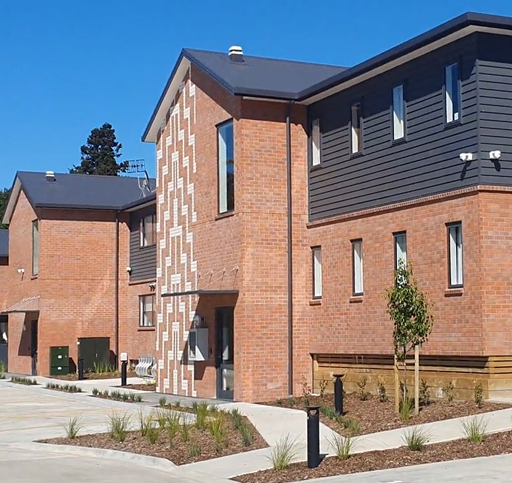
Bay of Plenty Housing Equity Fund
Housing is one of the greatest challenges facing our region, and one that cannot be solved through traditional grant funding alone. BayTrust helped establish the Bay of Plenty Housing Equity Fund alongside other regional investors to unlock investment in affordable, secure and appropriate housing.
The Fund brings together capital from community trusts, councils and other investors to support housing projects that might otherwise struggle to proceed through conventional financing.
With NZ$50 million in committed capital (including material commitments from Manawa Trust and Tauranga City Council) and the capacity to support up to NZ$100 million of housing investment, the Fund is demonstrating what becomes possible when organisations pool their resources around a shared challenge.
By March 2026, the Fund had approved investments supporting the planned delivery of 218 homes, with more than 600 people expected to benefit.
This is about more than building houses. A secure home provides the foundation for better health, education, employment and family wellbeing. It’s also an example of how BayTrust can use its investment capital to generate both financial returns and meaningful community outcomes.
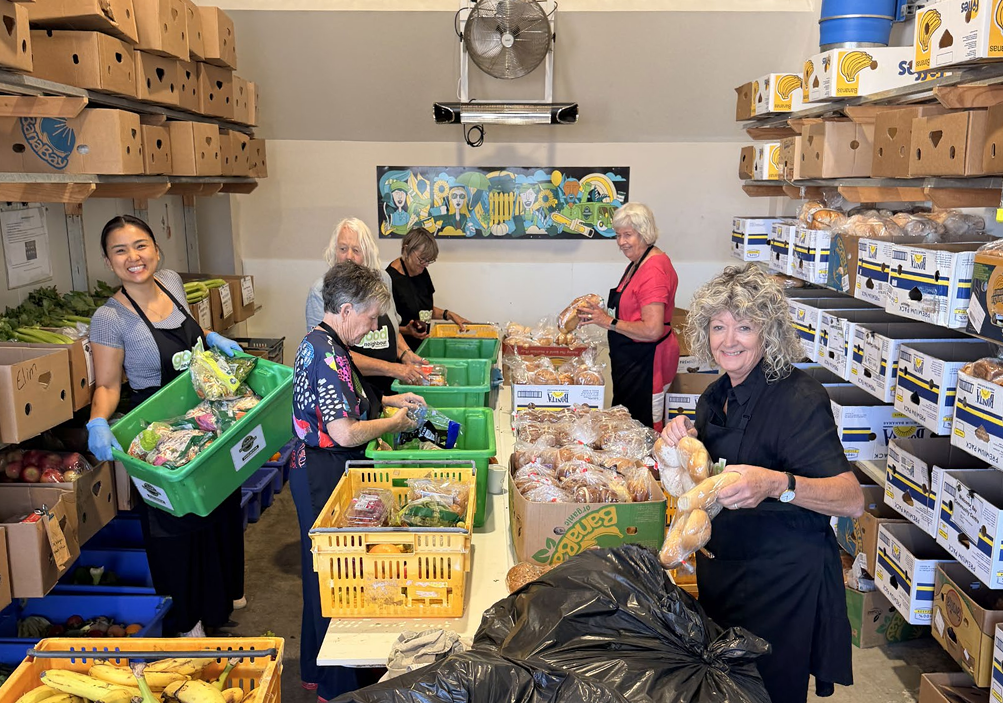
Good Neighbour
At the other end of the spectrum, our long-standing support for Good Neighbour in Tauranga demonstrates the value of investing in organisations that are deeply connected to their communities. Good Neighbour brings people together through food rescue, community gardens, volunteering and practical support for families facing challenges.
Its work addresses immediate needs, such as food insecurity and hardship, while also strengthening community connections, reducing waste and creating opportunities for people to contribute.
BayTrust has supported Good Neighbour’s operating costs, recognising that strong community organisations need reliable funding, not just support for individual projects. For us, Good Neighbour represents the importance of investing in local people and organisations who understand their communities and can respond as needs change.
Together, these two examples show the breadth of BayTrust’s approach, from investing millions in regional housing solutions to supporting grassroots organisations that make a difference in people’s everyday lives.
Intergenerational capital is an important theme in this story. What does thinking in decades rather than years allow your organisation to do differently?
One of BayTrust’s greatest strengths is that we can think beyond annual budgets, political cycles and short-term priorities. We have a responsibility to both current and future generations. That means protecting and growing the capital entrusted to us, while also being prepared to put it to work today where it can make a lasting difference.
Many of the biggest challenges facing our region, whether housing affordability, environmental degradation, inequality or community resilience, have developed over decades. They will not be solved through short-term funding or isolated projects. Thinking long term allows us to invest in prevention rather than simply responding to problems after they occur. It allows us to build enduring partnerships, support innovation, take measured risks and back initiatives that may take years to demonstrate their full impact.
It also means looking beyond individual projects to the wider systems that influence people’s lives. For example, rather than simply funding responses to housing insecurity, we can invest in new housing models that help address the underlying shortage of affordable homes.
There is also an important financial dimension. We must balance spending today with maintaining the real value of our capital so future generations inherit the same, or ideally greater, capacity to support their communities. Intergenerational capital is not just about preserving money for the future. It is about using that capital wisely to help create a better future.
Looking ahead 20 years, what would success look like for the Western Bay, and what role do you hope your organisation will have played in achieving it?
Looking ahead 20 years, I would hope the Western Bay is recognised not just as one of New Zealand’s most desirable places to live, but as a region where the benefits of growth are genuinely shared.
Success would mean more people living in healthy, secure and affordable homes, strong and connected communities, a thriving natural environment and an economy that creates opportunities for people from all backgrounds. It would mean young people seeing a future for themselves here, Māori aspirations and leadership being realised, and our community organisations having the resources and resilience to continue doing their important work.
Our Strategy to 2030 is an important step towards that future. It builds on our earlier strategies while placing greater emphasis on long-term partnerships, impact investment, environmental responsibility and addressing the underlying causes of social challenges.
By 2046, I would like BayTrust to have played a meaningful role in helping to reshape some of the systems that influence wellbeing across our region, particularly housing, environmental sustainability and community resilience. I would also hope we have helped demonstrate the value of collaboration, where community trusts, iwi, businesses, councils and community organisations work together, rather than in isolation, to achieve outcomes none could deliver alone.
Importantly, I would want BayTrust itself to remain financially strong, relevant and responsive, with an investment fund that continues to support future generations.
If, in 20 years, the Western Bay is a place where more people can thrive, our environment is healthier and our communities are stronger and more connected, then BayTrust will have played its part.
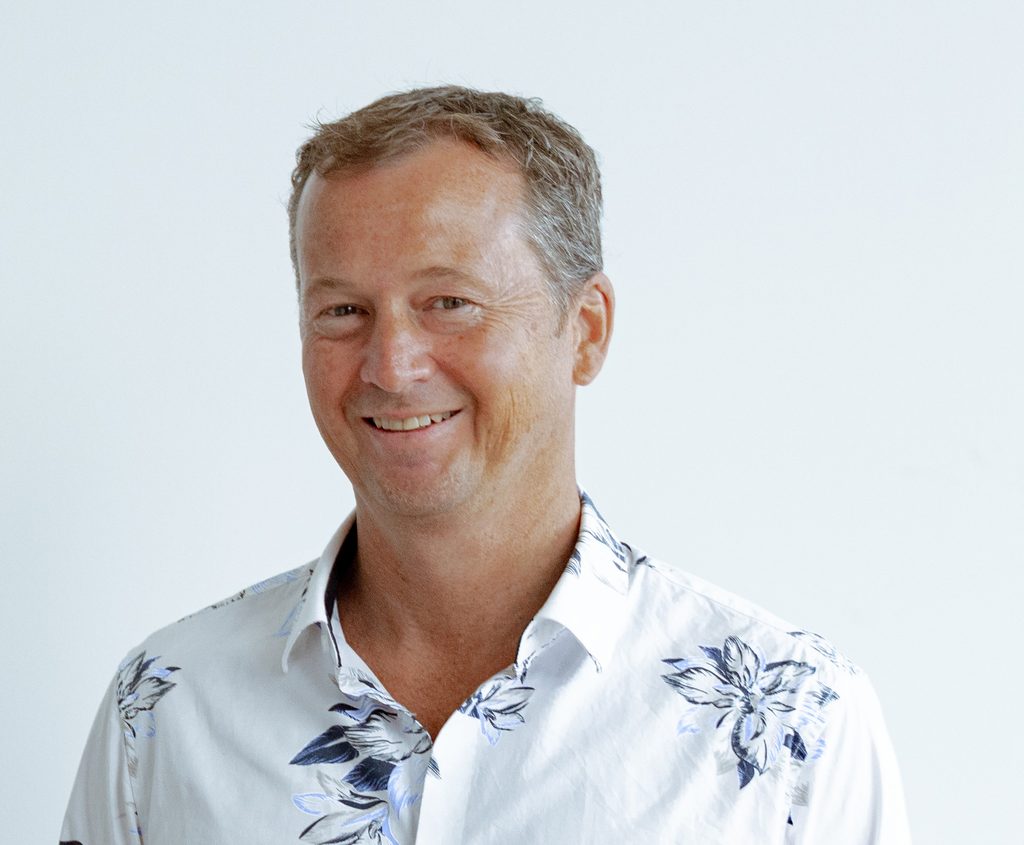
Left: Alastair Rhodes, CEO of BayTrust
Signup for our fortnightly newsletter with events, insights and opportunities.
This series explores how locally anchored capital is creating lasting value across the Western Bay. Read more of these stories: