
Latest News

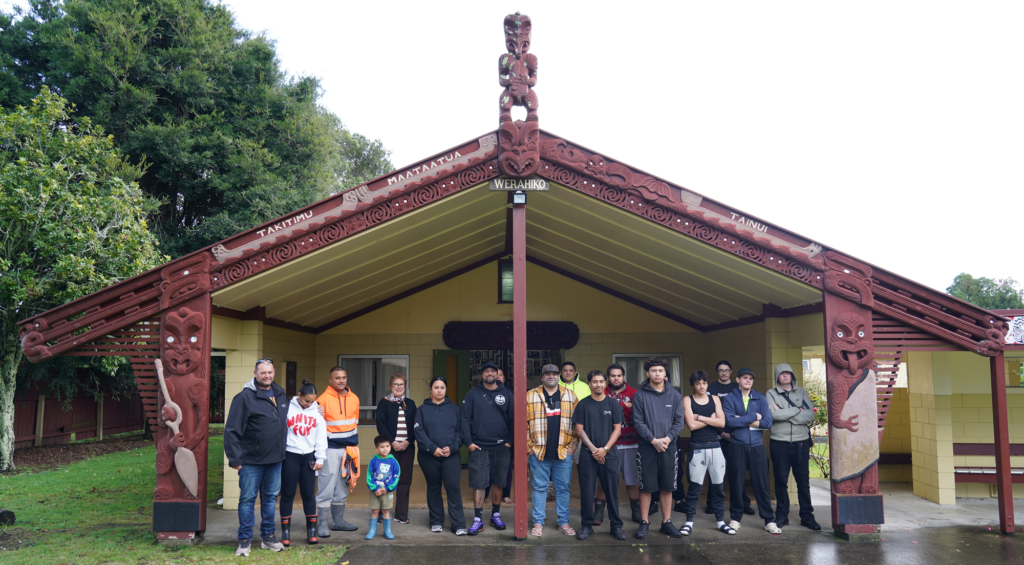
For many young people, being asked to talk about their strengths can be surprisingly difficult.
It is one thing to know what you enjoy or what you might like to do. It is another to sit across from an employer, introduce yourself and explain why you should be given an opportunity. That was the focus of an Ara Rau wānanga held at Paparoa Marae on 25 June, bringing together ten rangatahi from the Pathways to Work programme and four local Māori business owners.
The morning began with a simple challenge: create an elevator pitch. Each rangatahi needed to identify their strengths, describe what they could offer an employer and find a way to communicate it in their own words. At first, some found it easier to recognise the strengths of the person beside them than to name their own.
As they worked together, the conversation began to shift. They reminded each other of qualities they had noticed, helped one another find the right words and gradually shaped introductions that sounded like them. There was plenty of laughter, but there was also genuine care in the way they encouraged each other.
Later, business owners from Gascott Contractors, BMB Barbers, Tauranga Plasterers and the local arts community joined the group. They did not arrive with polished speeches or present success as something that had come easily. They spoke honestly about where they had started, the setbacks they had faced and the decisions they had made along the way.
That honesty mattered.
The rangatahi were not simply looking at people who owned businesses. They were listening to people whose beginnings, challenges and experiences felt familiar. People who had not always had a clear direction, but who had found a way forward and were now creating work, supporting others and contributing to their community.
The usual distance between an employer and a young person looking for work began to fall away. The business owners were no longer people on the other side of a job interview. They became examples of what can happen when someone is given an opportunity, makes a different choice or keeps going when the path is uncertain. Their message was not that success is easy, or that wanting something is enough. They talked practically about what employers expect, including reliability, communication, willingness to learn and being someone others can depend on. They showed the rangatahi that a future is built through everyday choices, and that those choices remain available to them.
Lunch gave everyone the chance to continue those conversations informally. The rangatahi practised the introductions they had developed that morning, asked questions and spoke directly with people who had once stood much closer to where they were standing now.
By the end of the day, their ideas about the future were beginning to sound more specific.
“I really want to do something with my life. I’d like to do a course in automotive.”
“I want to be a plasterer, or maybe a concreter too.”
“I want to get a job in barbering. Can I come and help out at your barbershop?”
The final question was put directly to Joe from BMB Barbers, who finished the wānanga by setting up his barbering station and offering free haircuts while talking about the business he created with his wife, Nataria. The purpose of the day was not to provide every rangatahi with a finished career plan. It was to help them see that the people they might one day work for are not always as different from them as they imagine.
Sometimes young people need more than advice about what they could become. They need to sit across from someone who understands where they are starting from, who can say, truthfully, “I have been somewhere like this too.” And then show them what the next step might look like.
Sign up to Priority One’s fortnightly newsletter featuring expert insights, opportunities and free events here.