
Latest News

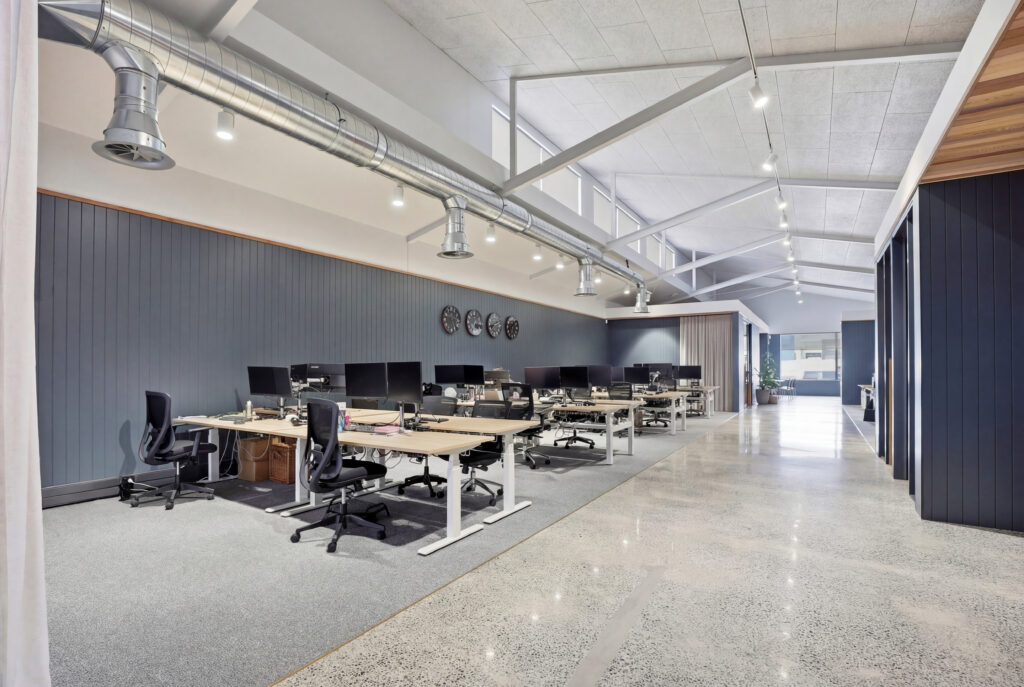
HVAC systems are one of the biggest drivers of both cost and comfort in commercial buildings, yet they’re often brought in too late or treated as an afterthought.
As part of our work around the region’s energy transition, we spoke with Ockie Griebenauw, General Manager of All Seasons Air, about common mistakes, and what it takes to design systems that are efficient, future-ready and built to perform over time.
Too often, decisions are made based on upfront cost rather than long-term performance. But HVAC is a system that stays with a building for decades – and when it’s not designed well, the impacts are felt immediately.
From your perspective, what are the biggest HVAC mistakes being made in new commercial builds today?
Start with the end in mind – HVAC is a large cost in terms of installation as well as energy consumption. Spend the time and money upfront and get the design right. Most complaints received by building managers relate to HVAC in poorly designed or laid out buildings.
At what stage should HVAC be brought into the design process – and why does that matter?
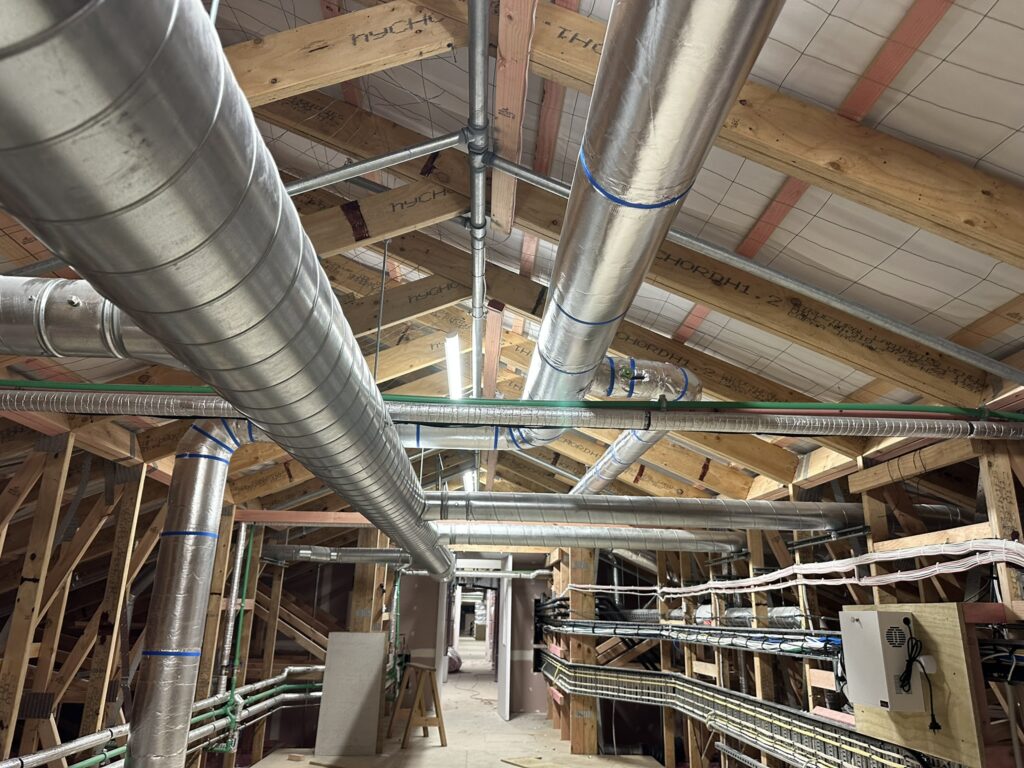
Very early on – the bigger the project the more crucial it is. HVAC systems take up a lot of space with ducting, pipework, condensate drainage and cabling. Considering HVAC bought in to the design early on can save the structural and architectural teams headaches further down the track if they know what’s coming. As well as being big, HVAC plant can also be noisy, so considering size and location is key.
Cheap, ineffective HVAC design always cost in the long-term, as adding to systems is not always possible, or is very costly.
What’s an investment that pays off quickly but is often overlooked?
Moving away from electric heating. While cost effective, these systems are power hungry and inefficient when compared to refrigerant-based heat pump systems. For example, heating air with refrigerant is between 3-5 times more efficient than electric heating.
Also, air quality control. It’s fairly standard to design for ventilation rates to suit NZ Building Code requirements (G4) and this can use a lot of energy to heat and cool. If CO2 sensors are used to monitor air quality, ventilation rates can be varied to suit and energy not unnecessary used to heat and cool outside air entering the building when not required.
How can businesses future-proof their HVAC systems as energy costs and expectations change?
Decisions are often made on upfront cost when trying to get the job across the line, but a longer-term view — prioritising energy efficiency and using the latest environmentally friendly systems — pays off. HVAC systems are bulky, refrigerants are expensive and systems can be difficult to adapt once installed. It’s about having all the information and making an informed decision.
How important is it to integrate HVAC with the overall building design (eg orientation, glazing and insulation)?
It’s very important – specific building features like glazing, insulation, external shading and facade all have an impact on the HVAC system design and operation. We use modelling software to determine the heating and cooling loads to best select the equipment for the application and environment.
What questions should every business be asking their HVAC provider?
A proven track record and qualified, experienced staff is a must. Are they able to provide an ongoing service to maintain the equipment after installation? Once installed, good service and maintenance capabilities are key to energy efficiency and longevity. We like to build a productive relationship with our clients and look after a building for its life.
What does “good” HVAC look like in a modern commercial building?
Generally speaking, this would mean adequate ventilation rates both for healthy staff and buildings. It would also include achieving occupant comfort levels, while being conscious of power consumption and environmental impact. As we offer design and build solutions, we have the ability to design a system while working with the client to get it across the line on time and within budget.
This piece is part Priority One’s energy-focused work. We want to engage as many businesses as possible in our energy conversations – find out more here, and sign up to our fortnightly newsletter featuring expert insights, opportunities and free events here.
Attend our next energy event on biomass – details here.