
Latest News

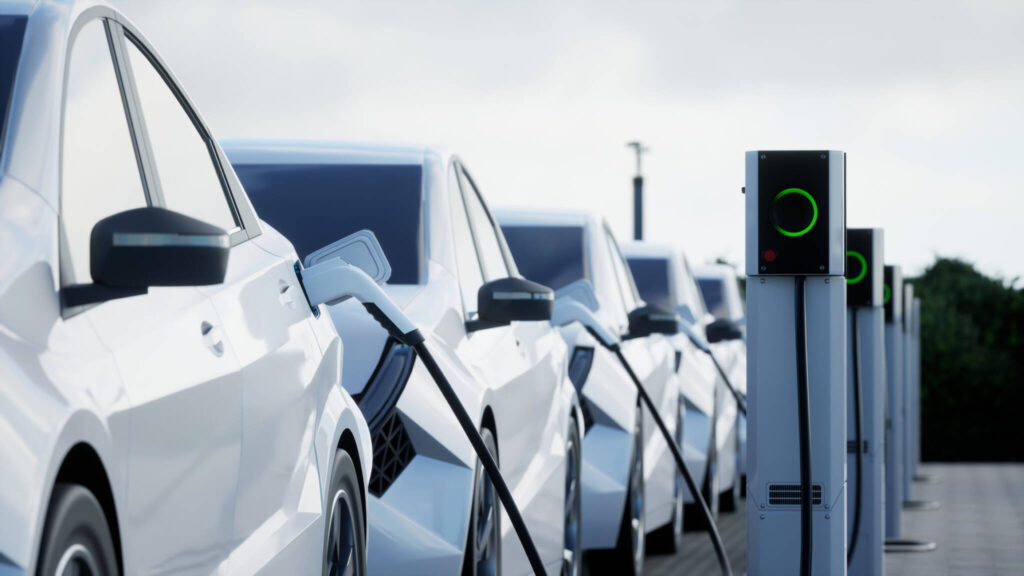
If you’re looking at an energy transition plan for your business, EVs may already be on your radar. If so, it’s important to understand the most effective charging methods to get the best performance from an EV fleet. Schneider Electric EV and energy specialist Aaron Edgecombe explains how to get it right for your business.
The shift to electric vehicles is well underway in New Zealand, and for many businesses the question is no longer whether to transition their fleet, but how to do it well.
Lower energy costs, reduced maintenance and a smaller carbon footprint make a compelling case. But realising those benefits depends on one critical factor: getting charging right.
Unlike internal combustion fleets, EV charging is not about “filling up” as needed. It is about managing energy, cost and vehicle availability. Done well, charging becomes part of your operational strategy, reducing costs while keeping vehicles ready when they are needed.
Understanding EV charging
At its simplest, EV charging comes down to how quickly energy flows into the vehicle. A useful way to think about it is water flow. AC charging is like a garden hose, delivering a steady, controlled stream over time. DC charging is more like a fire hose, delivering high volumes of energy in short bursts.
The key is not speed alone, but fit. Most fleets do not need the fastest option, they need the right speed in the right place. That starts with understanding how vehicles are actually used. How far do they travel each day? Where do they sit idle, and for how long? Are those patterns predictable?
For many fleets, AC charging does most of the heavy lifting. It typically takes place at homes or depots using standard grid electricity, with the vehicle’s onboard charger determining how quickly energy can be absorbed. Battery size dictates how far the vehicle can travel, while charger capacity determines how long it needs to recover that range.
In practice, this often aligns well with fleet operations. Vehicles parked overnight or between shifts can recharge without disrupting the day’s work. A typical example is a Tesla Model 3 on a 7.4kW charger, which can recharge overnight in around eight hours. For predictable, return-to-base fleets, this is usually sufficient and cost-effective.
Home charging plays a role here, but it needs to be done properly. Charging from a standard wall socket should be treated as a fallback, not a primary solution. It is slow, can place sustained stress on household wiring and sits outside an employer’s control. WorkSafe also discourages using this type of Mode 2 charging for employer-owned vehicles, as it relies on the safety and integrity of home wiring outside the employer’s control. A dedicated, professionally installed EV charger is the safer, more reliable option.
DC charging becomes important when time is limited. By converting power before it reaches the vehicle, DC systems can deliver energy directly to the battery at much higher speeds, typically ranging from 30kW to 350kW. This allows vehicles to gain meaningful range in as little as 20 to 30 minutes.
That speed makes DC charging well suited to high-utilisation fleets or operations where downtime has a direct cost. However, it comes with trade-offs. DC infrastructure is more expensive and can require upgrades to electrical systems, including cabling, switchboards and transformers. As a result, it is best deployed selectively, where fast turnaround is essential.
Match charging speeds to how your fleet actually operates
In reality, most fleets benefit from a mix of both approaches. Vehicles that return to base each night can rely primarily on AC charging, while those with more dynamic schedules can use faster charging to top up between jobs. For vehicles that rarely stop or cover longer routes, charging becomes part of the journey. This is where higher-powered DC charging is most relevant, often in public locations or along key routes.
Charging works best when it fits around how vehicles already operate, not the other way around. That’s something we see consistently in our work supporting EV charging and energy infrastructure for businesses here in New Zealand and globally, and it’s also been our experience with our own EV fleet. There isn’t a single setup that works for everyone: some drivers can easily charge at home overnight and top up at work when they are in the office; others have to rely on public charging more often when they’re on the road. Having options available means charging can flex with how people work each day.
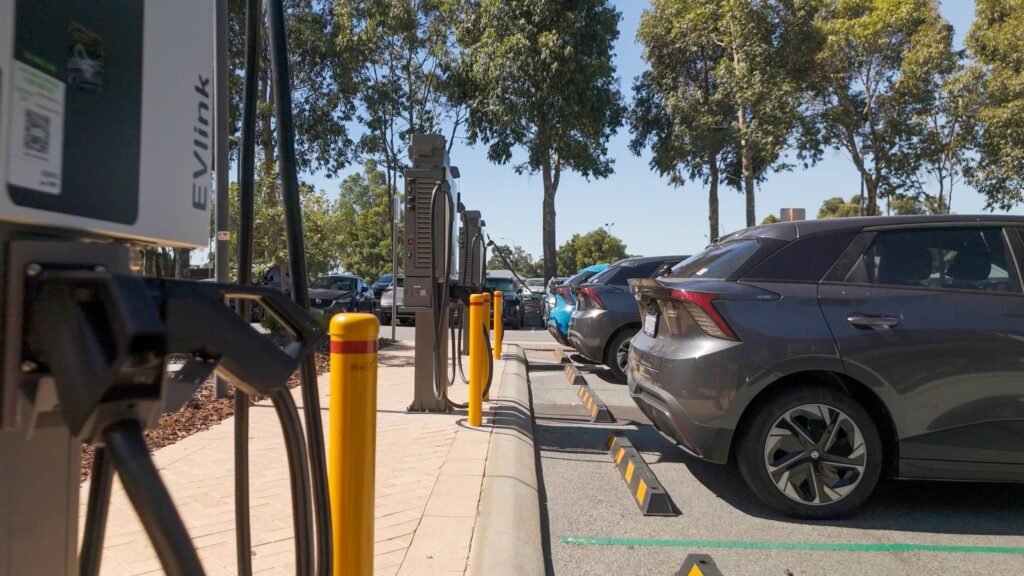
EV savings depend on how you charge
Electric vehicles can help reduce both fuel and maintenance costs, and with the right setup, it’s easier to see those benefits day to day. It really comes down to planning charging around how vehicles are used. Planning charging around real-world behaviour, bringing in expertise early, and avoiding overbuilding all help ensure infrastructure is fit for purpose from day one. Retrofitting or correcting design decisions later is almost always more expensive.
There is also a human element that should not be overlooked. With EVs still a relatively small share of New Zealand’s fleet, charging is still a novel experience to many drivers. Bringing people along early helps smooth the transition.
Drivers offer valuable insight into actual routes, distances and downtime – information that is critical when designing charging systems. Just as importantly, informed drivers make better decisions. Many will naturally default to the fastest charger or aim to keep the battery full, when in reality this is often unnecessary.
Clear guidance helps avoid common issues. Without it, vehicles may be unplugged too early, left connected after charging is complete or matched to the wrong charger. Simple expectations around charger use, combined with an understanding that a full charge is not always required, can significantly improve utilisation.
Charging etiquette and equipment handling also matter. Knowing how to correctly connect and disconnect cables, and how to store them safely, helps prevent avoidable damage, downtime and extra costs.
Ultimately, successful EV fleets are not just about vehicles or chargers. They are about systems – technical and human – working together. The most effective fleets are those that match charging to real-world operations, plan for future growth and bring their people along on the journey.
Get those elements right and charging becomes invisible. That is when the benefits of electrification truly start to show.
Five things to remember
- Consider charger location carefully – match charging sites to actual fleet needs and movements for best efficiency.
- Talk to the specialists early – get advice on the right chargers for your fleet needs.
- Control maximises capacity – managing charging effectively means getting more from charging infrastructure.
- Smart systems scale better – plan for the future with a smart charging system. Retrofitting capabilities costs more than getting it right up-front.
- Take your team on the journey – driver education and change management are as important as the hardware.
This piece is part of an ongoing Priority One series focused on energy. We want to engage as many businesses as possible in our energy conversations – find out more here, and sign up to our fortnightly newsletter featuring expert insights, opportunities and free events here.