
Latest News

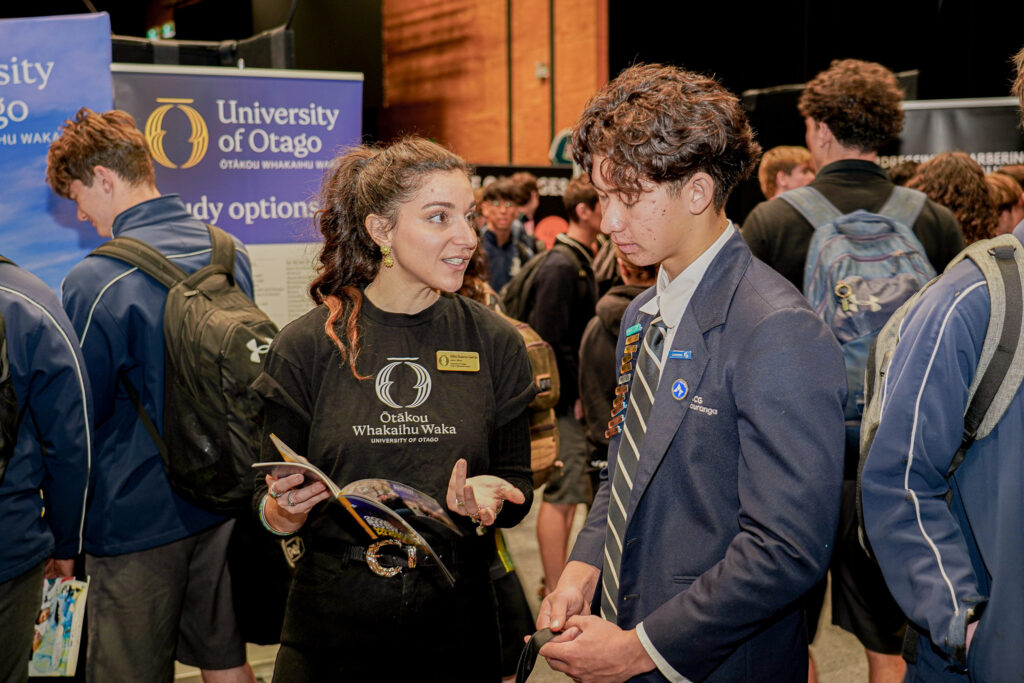
There is an interesting thing that can happen at a career expo. A young person walks in full of possibility. There are employers, educators, training providers, industry experts, people doing interesting work, people with answers, people who could open doors. On paper, it’s exactly the kind of environment designed to help them make decisions about their future.
But then they arrive with their school group, surrounded by friends, noise, colour, movement, giveaways, uniforms, display stands and the quiet social pressure of not wanting to look too interested, too confused, too ambitious, too unsure, or too different.
So, they walk around. They collect a pen. They take a flyer. They hover near a stand. They listen for a moment. They smile and nod. They move on. And sometimes they leave without asking the question that could have changed everything.
Not because they are not interested. Not because they are not capable. Not because the expo did not matter. But because they didn’t know what to ask.
At the heart of it, you don’t know what you don’t know.
For many students, career decisions are not simple. They are layered with subject choices, family expectations, money, confidence, transport, culture, study options, apprenticeships, scholarships, training pathways, part-time work, fear of failure and the very normal teenage desire to not stand out too much in front of your mates.
A student might know they like helping people, but not know that could lead to health, social work, emergency services, teaching, community development, counselling, occupational therapy, youth work, aged care, or a role inside a business that looks nothing like what they imagined.
They might know they are good with their hands but not know the range of careers that sit inside construction, engineering, marine, infrastructure, manufacturing, logistics, energy or technology.
They might love sport, music, gaming, beauty, design, animals, cars, science, storytelling or problem-solving, but have no idea how those interests connect to real jobs, real training and real people already working in those spaces.
That is why career expos matter.
They are not just about choosing a job. They are about expanding the picture.
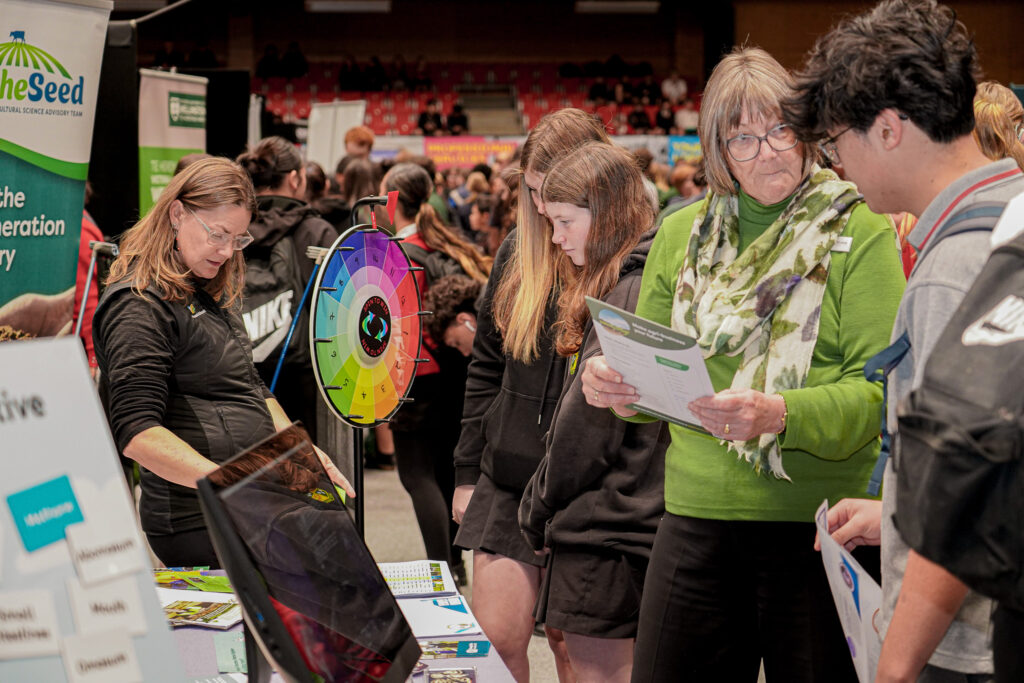
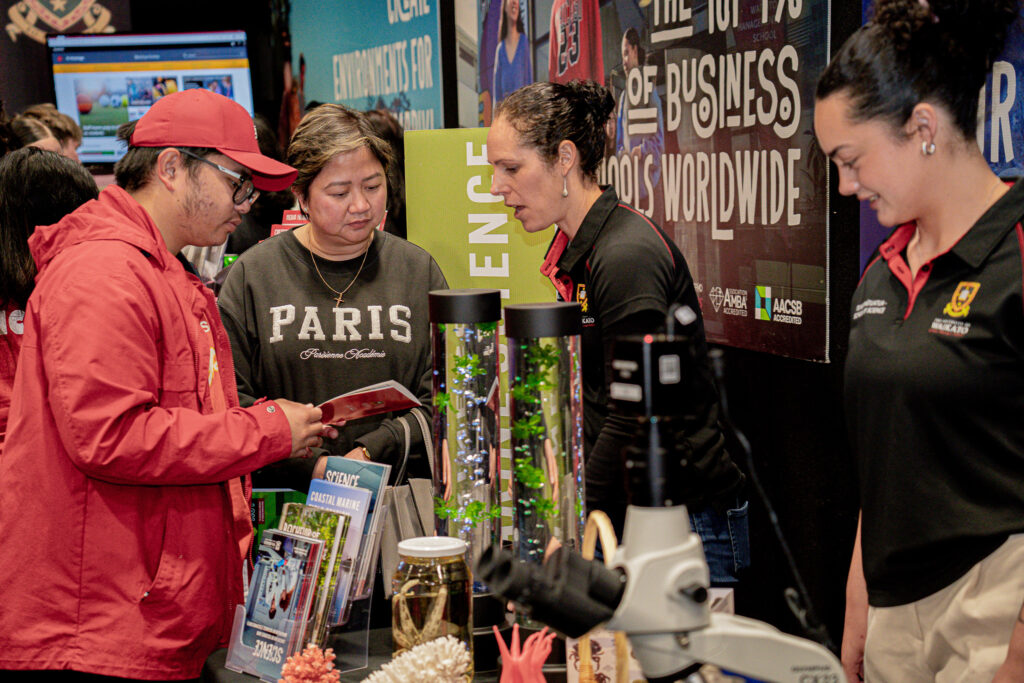
Canvas Careers Expo is a place where students can see options they may never have considered, where parents and whānau can better understand the decisions sitting in front of their young person, and where businesses can help make pathways clearer, earlier and more human.
But to get the most out of an expo, we need to think differently about the conversations that happen there. Because a good careers conversation is not just: “What do you want to be?”
For many young people, that question is too big. It asks them to name a future before they have seen enough of the map. Here is a downloadable resource you can use to start the conversation.
A better starting point might be:
- “What subjects do you enjoy?”
- “What do people come to you for help with?”
- “Do you like being inside, outside, moving, making, talking, fixing, caring, leading or creating?”
- “Do you want to study for a long time, earn while you learn, or try something practical first?”
- “What kind of life do you imagine for yourself?”
- “What would you like your work to feel like?”
These are the questions that dig deeper into who they are.
For parents and whānau, the evening session on August 6th between 4 and 8pm is a real opportunity. Coming along is not about taking over their decisions. It is about standing beside your young person while they work out what they need to know. Sometimes a parent will ask the question a student is too shy to ask. Sometimes a student will hear an answer differently because their whānau asked it differently. Sometimes the car ride home becomes the place where the real conversation begins.
That is powerful.
A young person may not remember every stand they visited, but they might remember the moment someone said, “Actually, there are three ways into this industry.” Or, “You do not need to go to university for that.” Or, “This subject will help keep that pathway open.” Or, “We take on school leavers.” Or, “Come back and talk to us when you are ready here’s my card.”
Those moments matter.
For exhibitors and businesses, there is an equally important invitation. Do not wait for students to arrive with perfect questions. Many will not. Some will be nervous. Some will be trying to look casual. Some will not yet have the language for what they are interested in. Some will not know your industry exists. Some will be quietly interested but will walk away if the first question feels too hard.
That means the responsibility cannot sit only with the student.
The best exhibitors do more than hand out brochures. They draw young people in. They ask leading questions. They make the invisible visible. They explain the pathway in plain language. They talk about the roles behind the obvious roles. They show what a first step could look like.
Instead of asking, “What are you going to do when you finish school?” try asking:
- “Do you like solving problems?”
- “Do you enjoy working with people?”
- “Are you more practical or more academic, or a bit of both?”
- “Do you like being part of a team or working on your own?”
- “Do you know what subjects help with this kind of work?”
- “Have you heard of this job before?”
Here is a downloadable resource you can use to deepen the conversation.
A student might not know they are interested in engineering, but they might know they like figuring out how things work. They might not know they are interested in logistics, but they might love systems, movement and solving puzzles.
They might not know they are interested in law, but they might care deeply about fairness, people and making a strong argument.
They might not know they are interested in technology, but they might already be the person everyone asks when something stops working.
The job of a good career conversation is to help them make that connection. The goal is not for every student to walk out with a fixed career plan. The goal is for them to leave with more language, more confidence, more curiosity and one or two next steps they did not have before.
That might be a subject to keep taking.
- A training provider to look up.
- An apprenticeship pathway to investigate.
- A scholarship to ask about.
- A workplace visit to organise.
- A conversation to have at home.
- A business card to keep.
- A question to ask their careers advisor.
- A future that suddenly feels a little less blurry.
Career pathways are not built in one conversation, but one conversation can change the direction of a young person’s thinking.
So whānau, please come to Canvas and ask the questions your young person may not know how to ask yet. Encourage them to wander, listen, wonder, and be curious. Talk to the exhibitors. Ask what subjects’ matter. Ask what entry-level roles exist. Ask what and who employers actually look for. Ask what support is available. Ask what the first step could be.
And for every business, training provider and exhibitor in the room: make it easy for young people to begin.
Do not assume they know the pathway.
Do not assume they know the job titles.
Do not assume they know what to ask.
A student may leave Canvas with a bag full of brochures, pens and giveaways, but the real value is in what follows them home. The conversation they keep thinking about. The option they want to look into. The idea that feels more relevant than it did when they walked in. That is when we’ve done more than share information. We have helped something land.
Find out more:
www.canvascareers.co.nz